
Jamathi
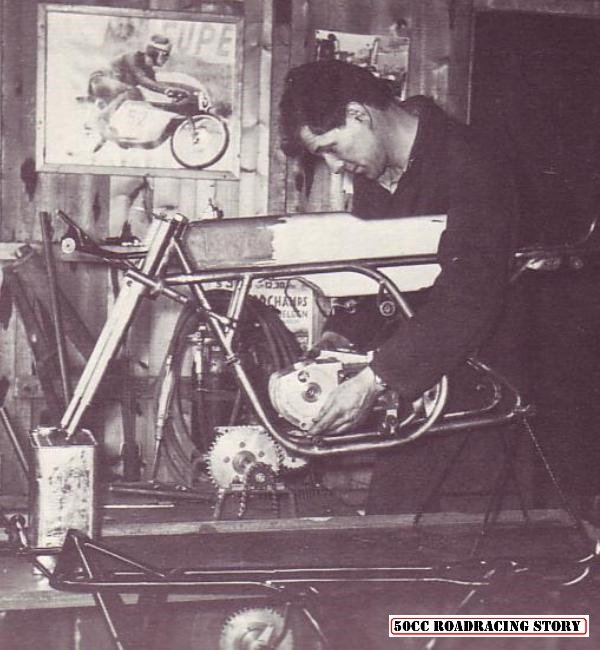
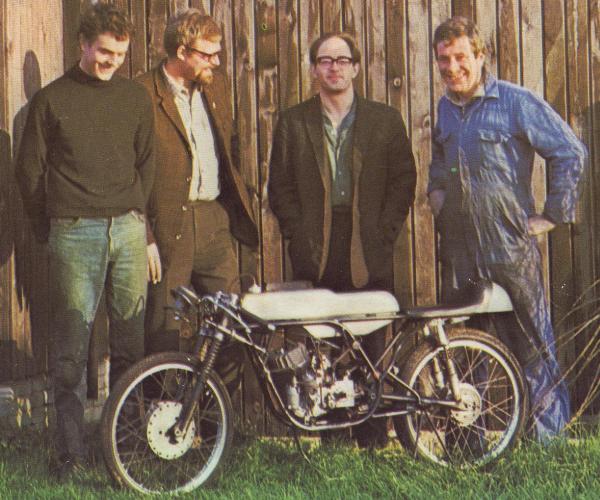
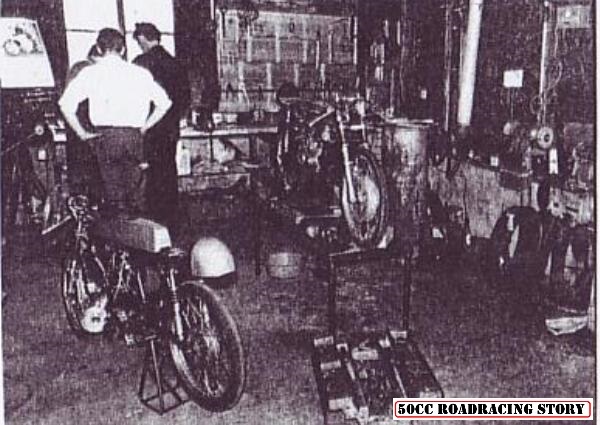
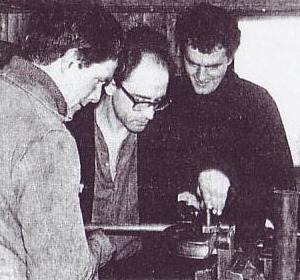
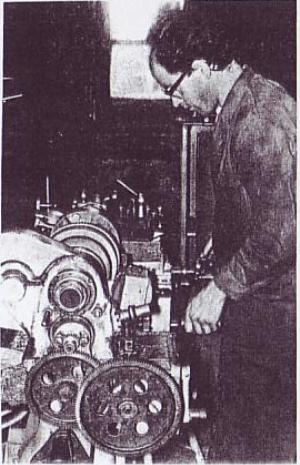
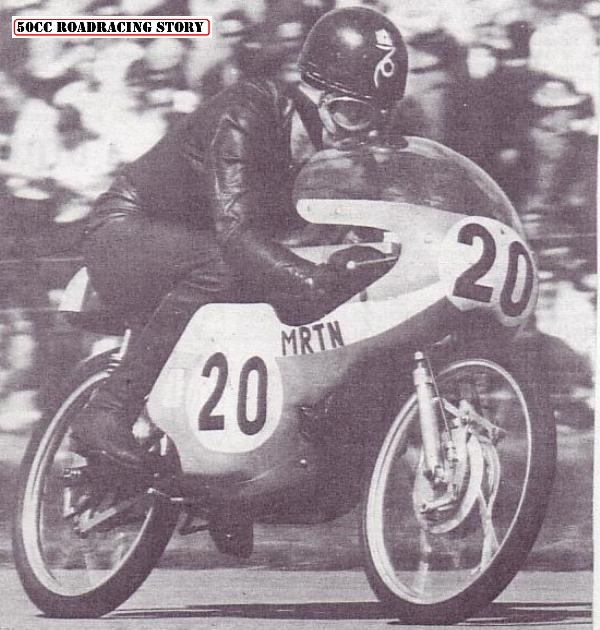
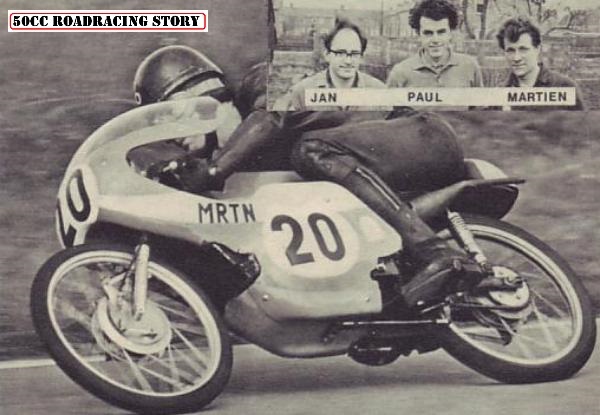
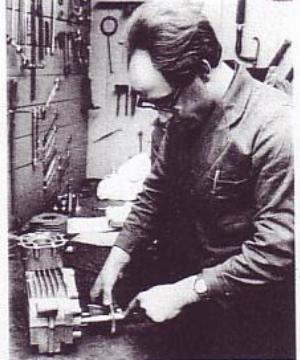
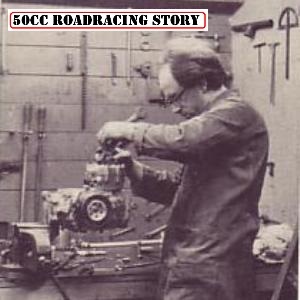
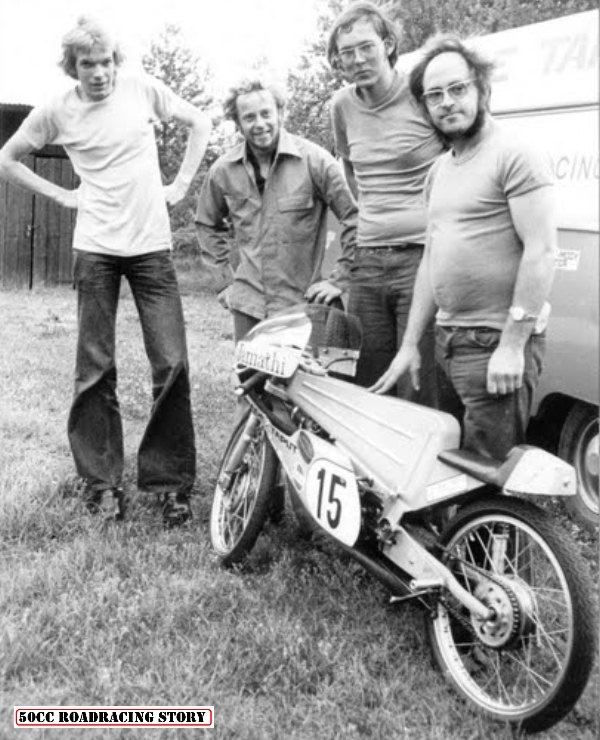
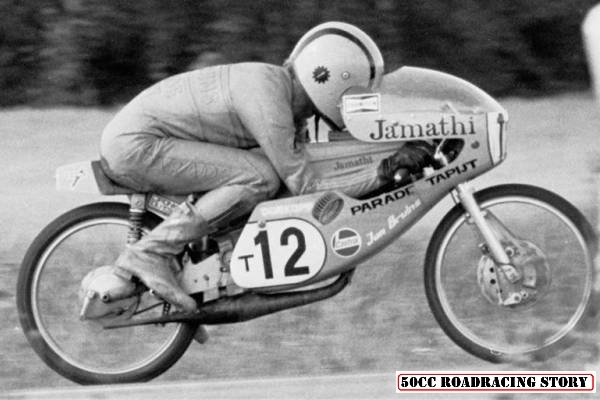
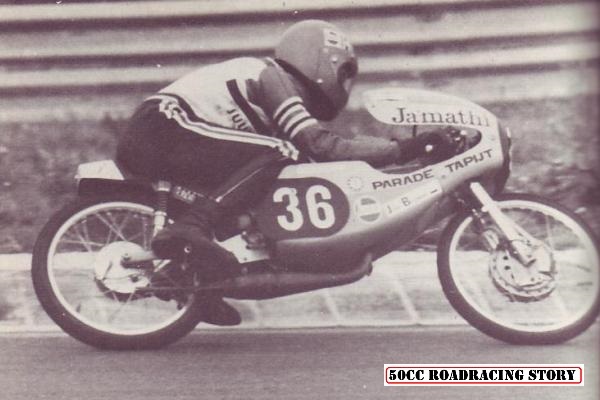
| To tell the story of 50cc racing would be impossible without mentioning the names of Jan Thiel, Martin Mijwaart, Paul Lodewijkx and Henk Keulemans! This talented group of Dutchmen created a racer, with no funding, out of a wooden shed, and eventually outran the worlds best! Motorsport journalist Henk Keulemans followed the team from early on and his book "Het Jamathi-team" is a very good portrait of the life and times of the trio. Henk Keulemans holds the copyright to many of the pictures |
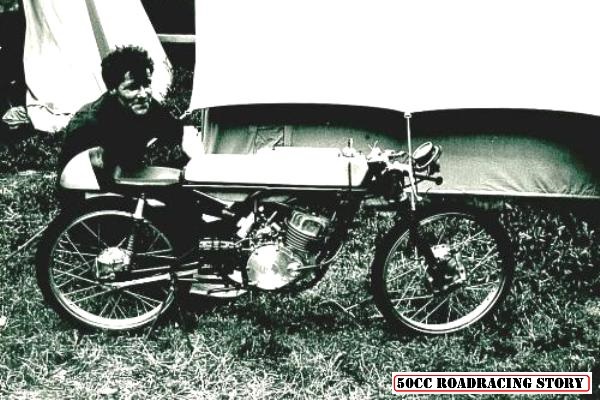 |
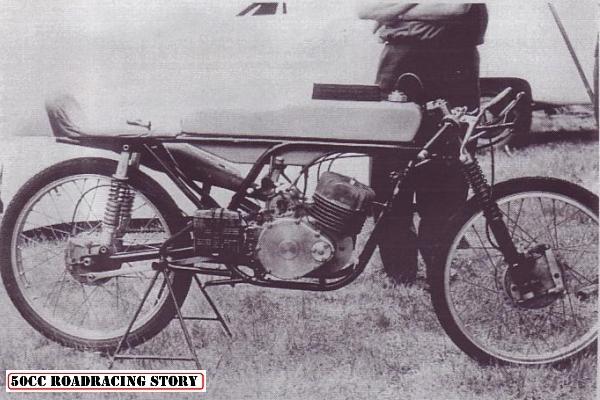
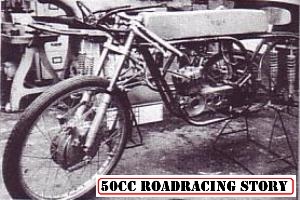
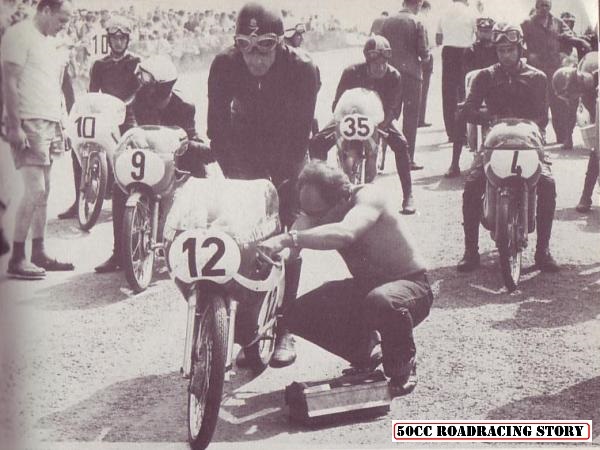
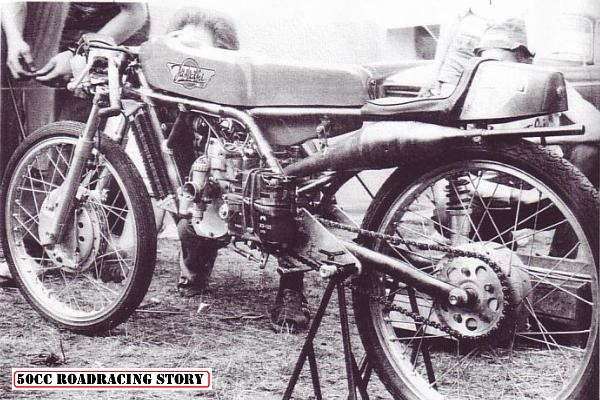
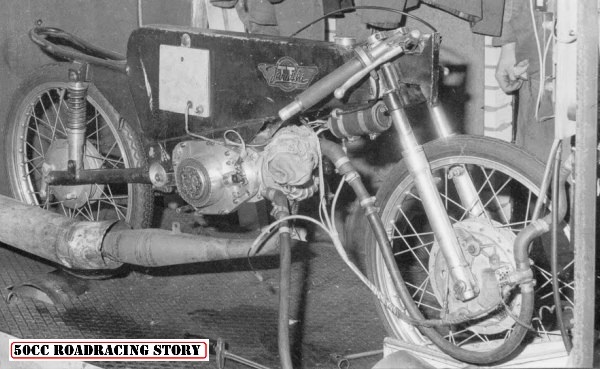
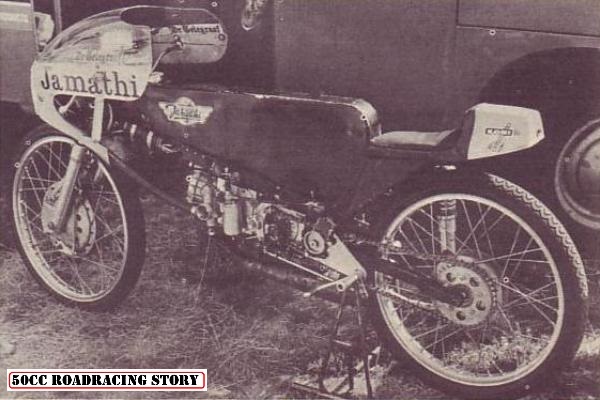
| In 1965, after the year racing the "Tansinis" the team now enlisted their racers as Jamathis. New narrower frames were made | |
 |
 |
 |
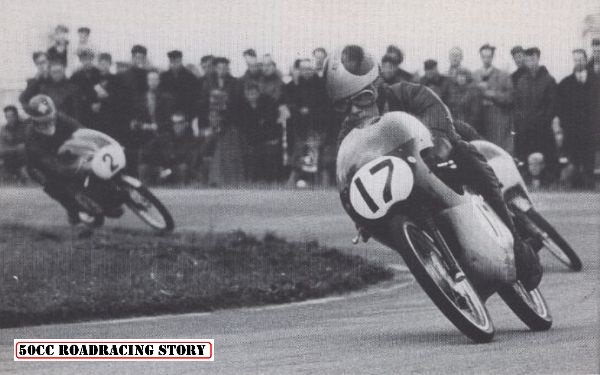 |
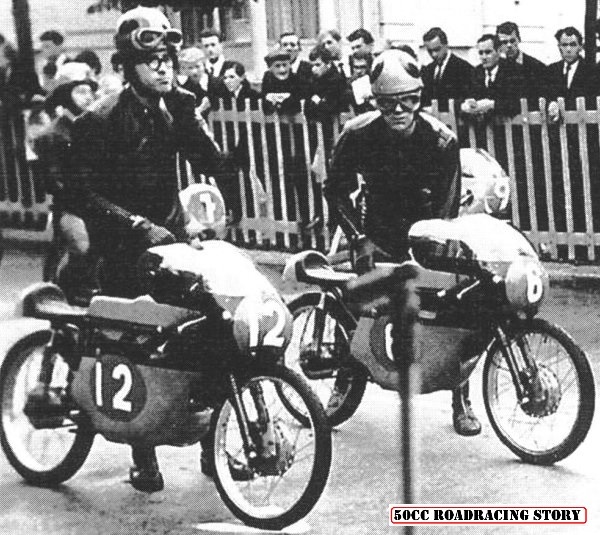
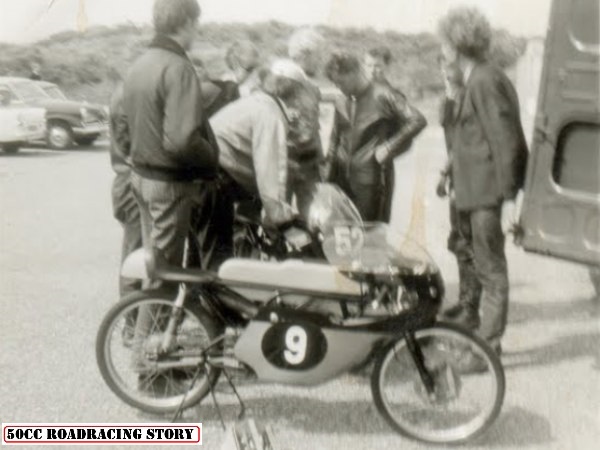
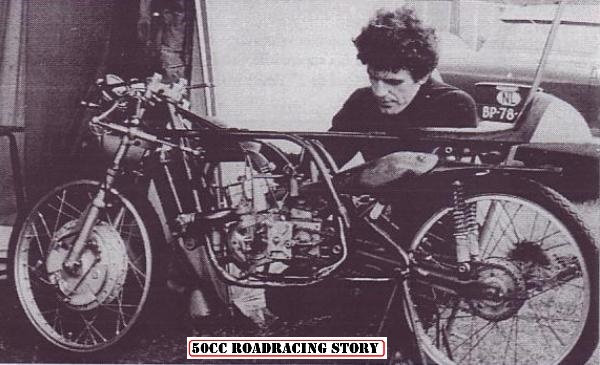
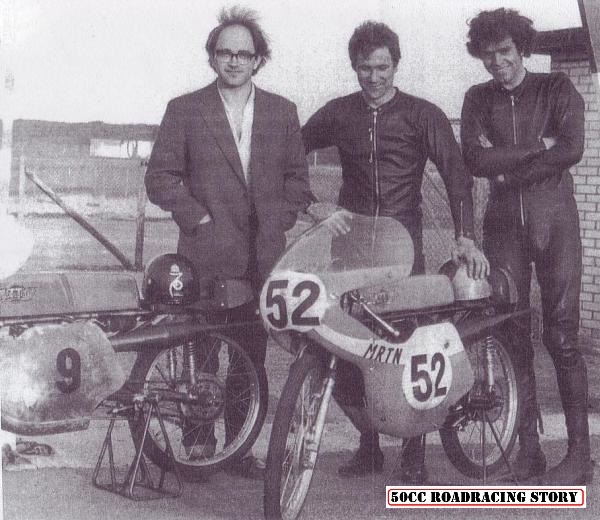
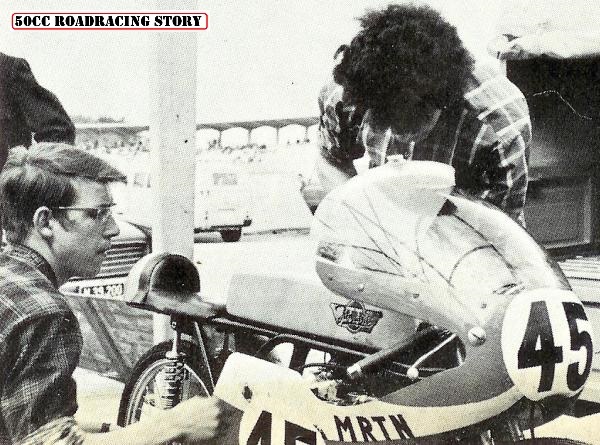
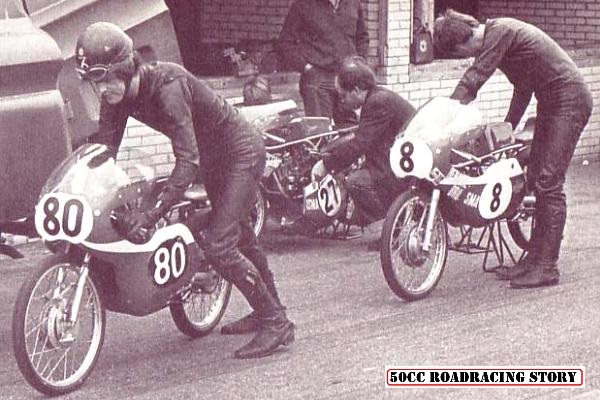
| For the 66 season the Jamathi teams rider line- up were Martin Mijwaart and Poul Lodewijkx. The young man had proven himself in national races and now got to race in international events |
|
 |
  |
 |
|
 |
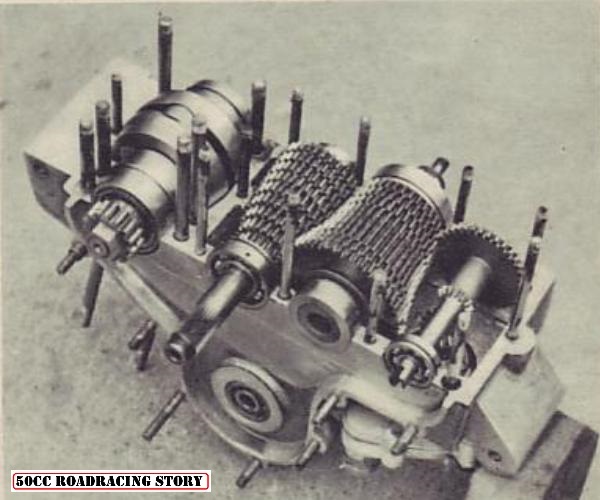
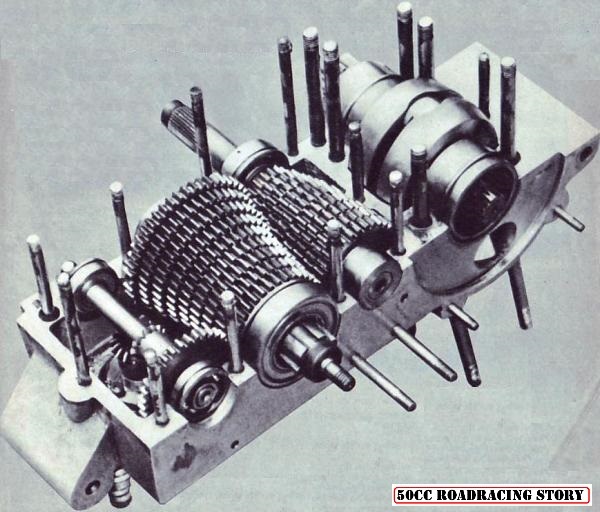
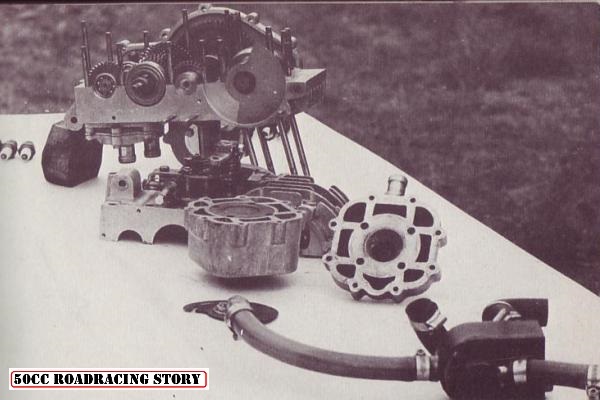
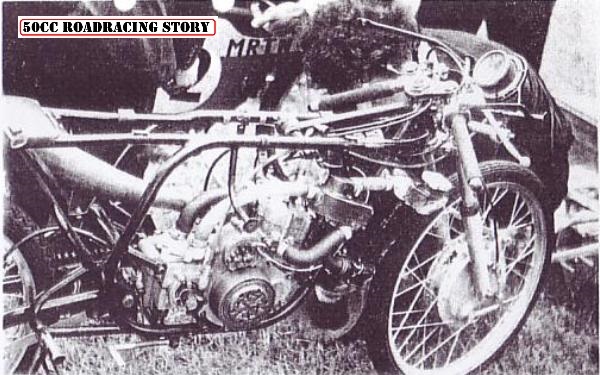
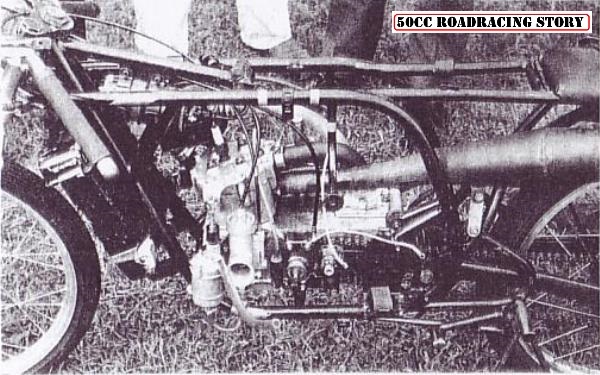
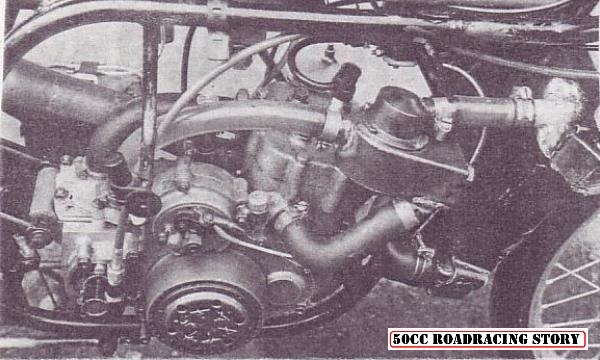
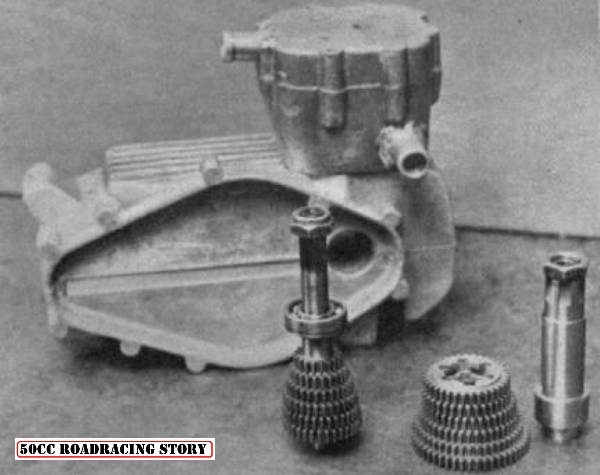
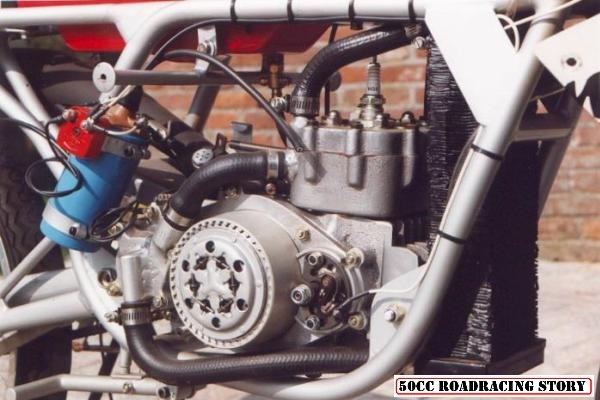
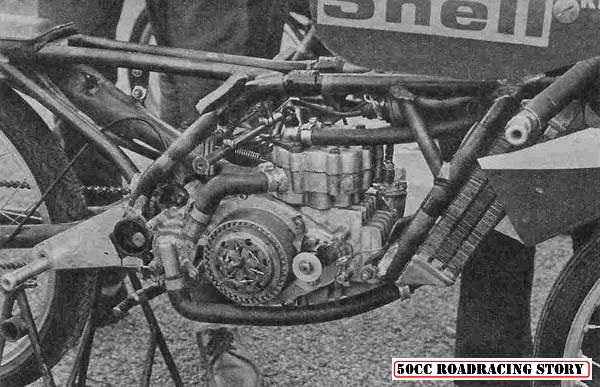
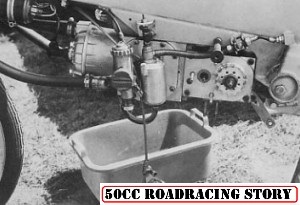
In 68 Thiel and Mijwaart realised they couldīnt raise the output without the aid of watercooling. Also in 68 a new engine design was launched, and what an engine it turned out to be! |
 |
 |
 |
 |
 |
  |
 |
 |
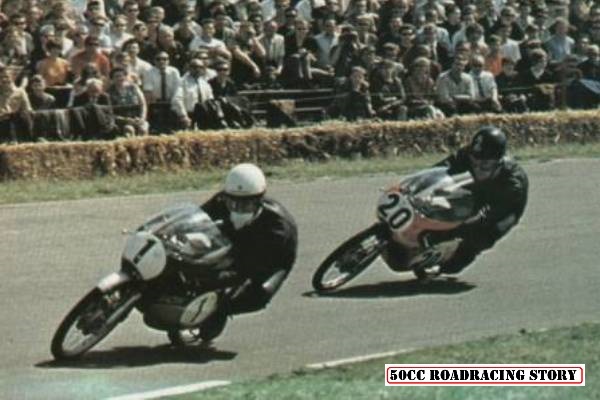
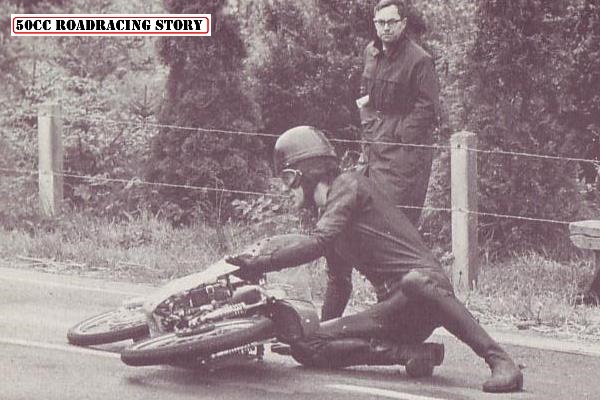
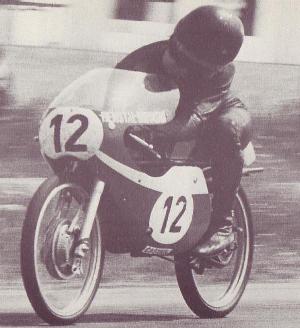
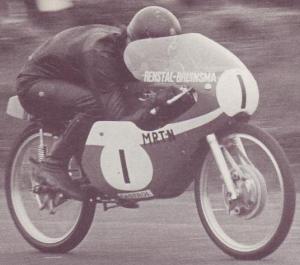
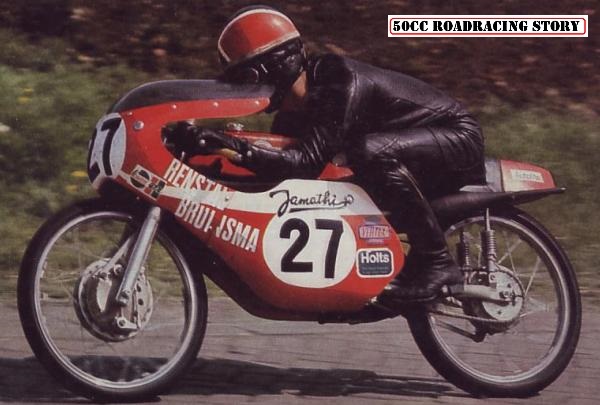
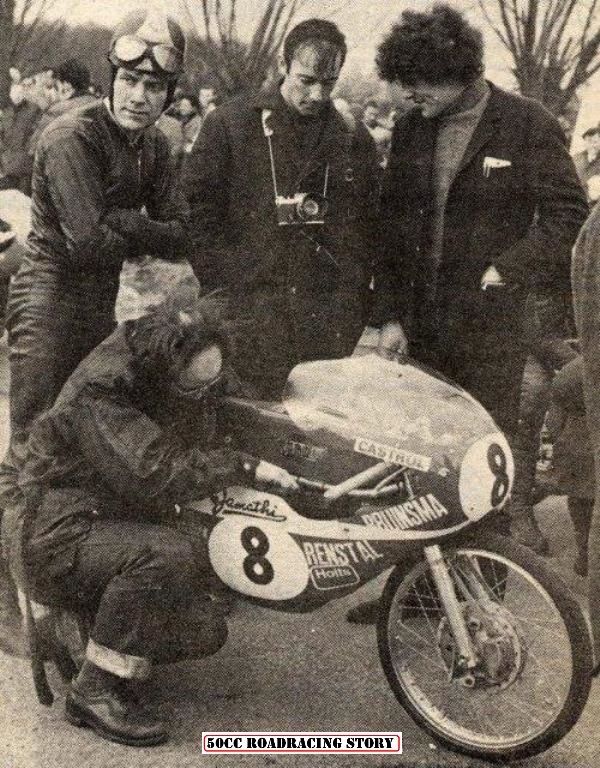
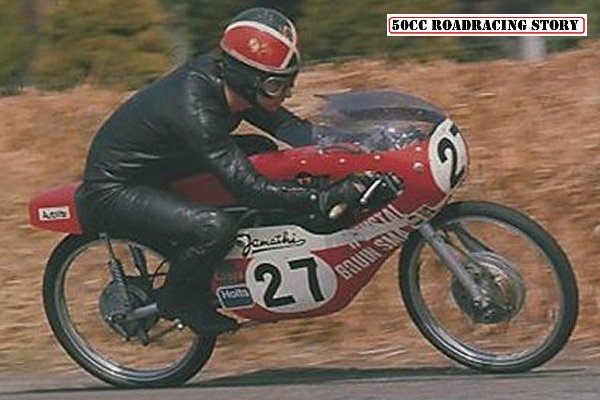
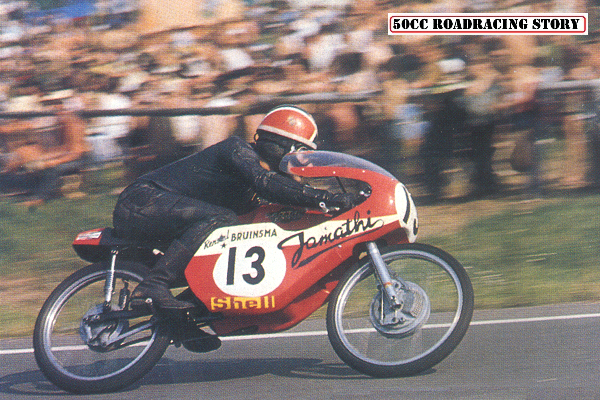
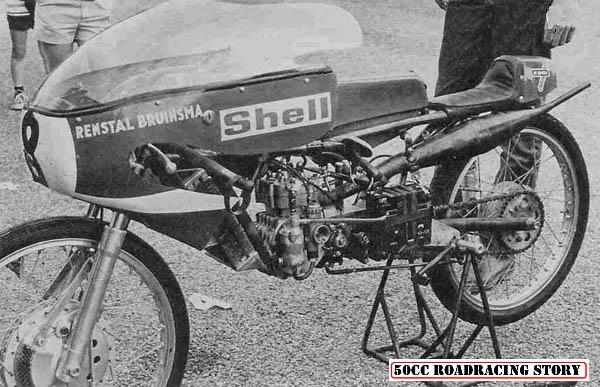
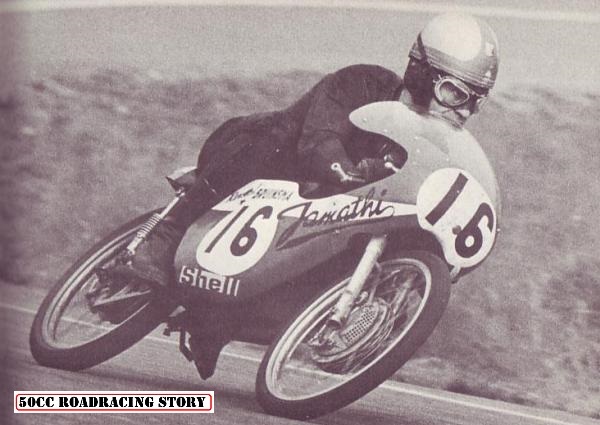
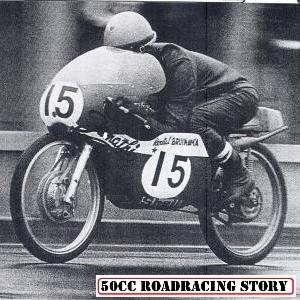
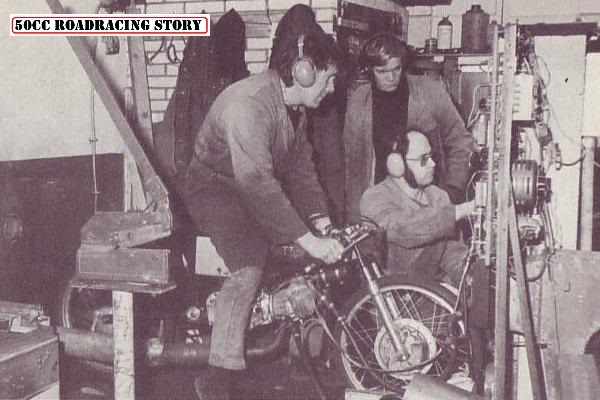
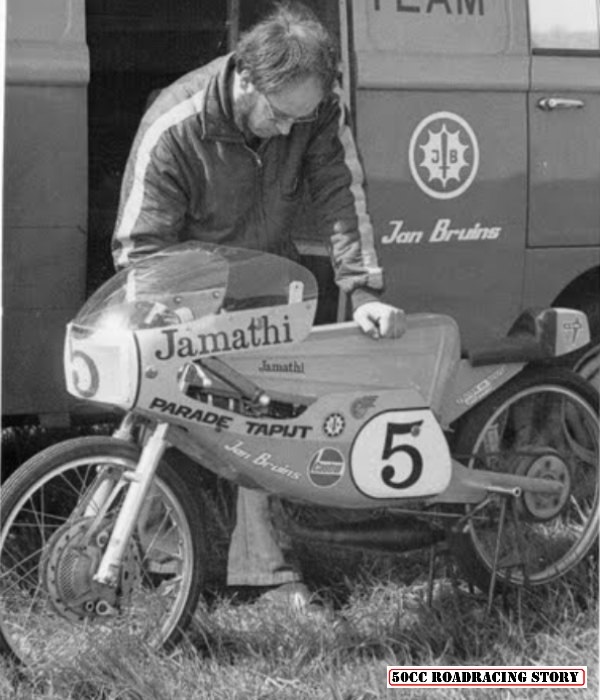
| Jamathi testing video! In the Dutch GP of Assen 68, Paul Lodewijkx hang on to the Suzuki of Hans Georg Anscheidts all through the race. Anscheidt drove the RK67 Suzuki with a safe lead, until last lap where Lode- wijkx gained so much, that he was able to pass the german just before the flag ! It was nothing short of a world sensation, not only did a Dutchman win the Dutch GP, he outran the Japanese works- twin with a homebrewn Dutch racer! For the 69 season the Dutch Kawasaki importer Bruinsma agreed to sponsor the team. |
 |
 |
 |
 |
  |
 |
 |
 |
 |
 |
 |
  |
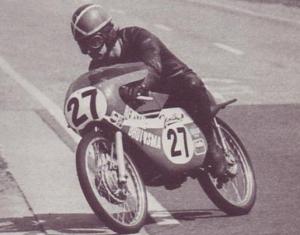
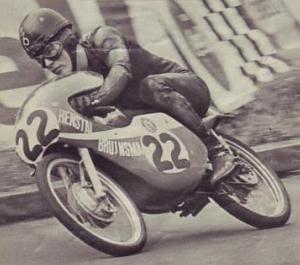
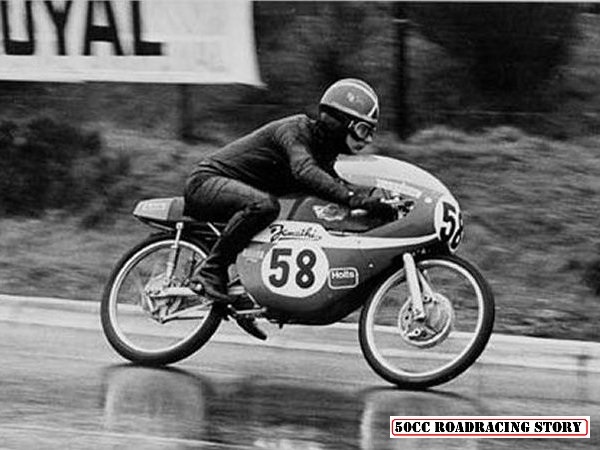
Late 69 the Jamathi team suffered a setback, Paul Lodewijkx had a serious road accident while riding a motorbike. After being hospitalised for months, doctors warned Lodewijkx of starting racing again ! Toersen was hired into the team in time for the GP season of 70. |
  |
 |
 |
 |
 |
 |
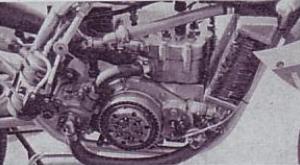 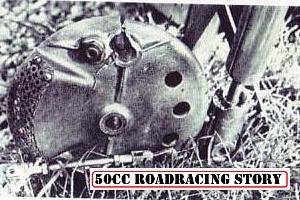 |
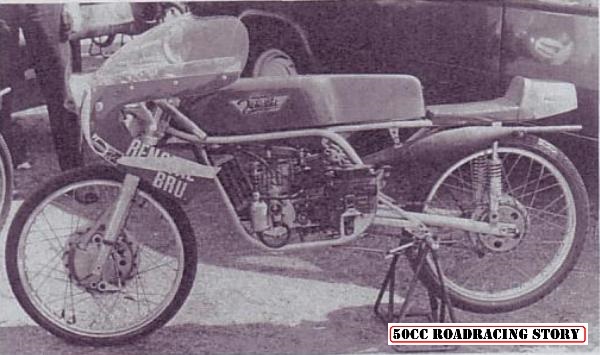 |
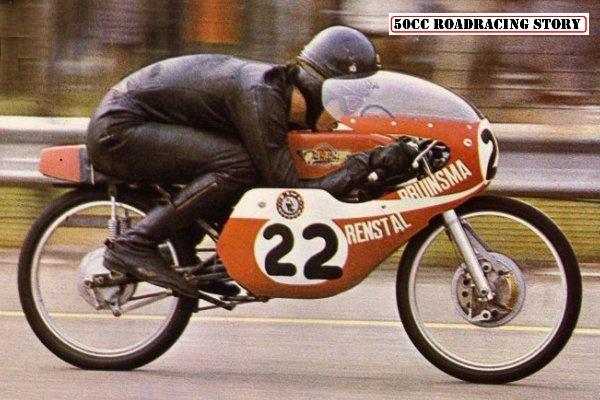 |
 |
 |
 |
 |
 |
 |
 |
 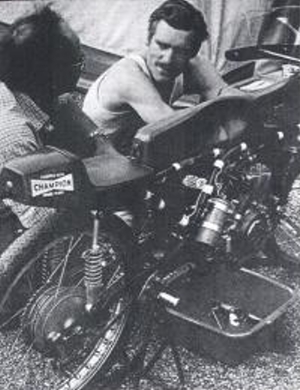 |
The Jamathi team earned some money by selling "last years" bikes. Theo Timmer bought one and won the Dutch championship. |
 |
|
 |
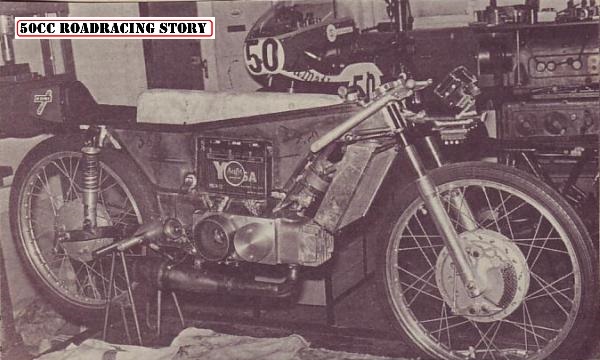 |
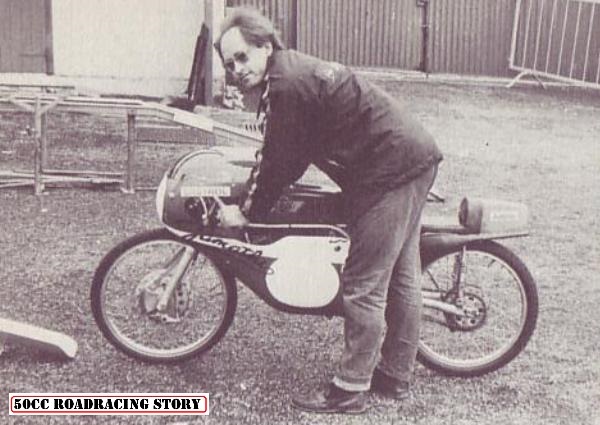
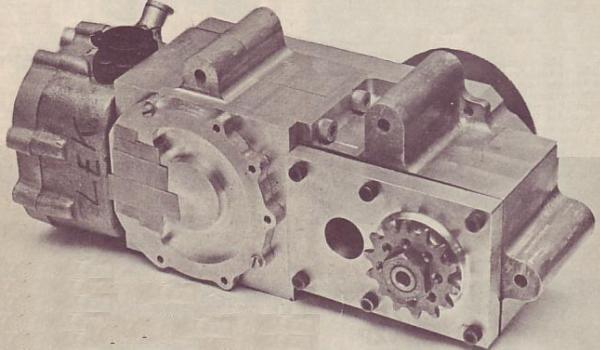
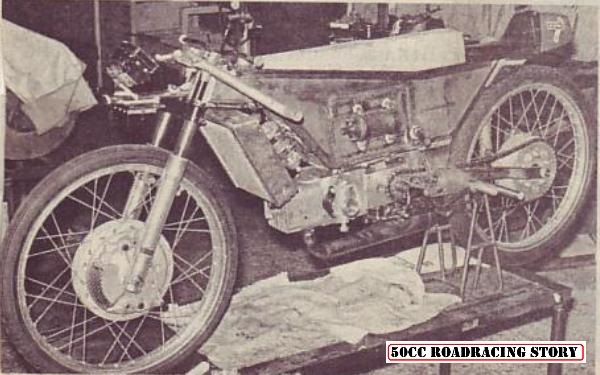
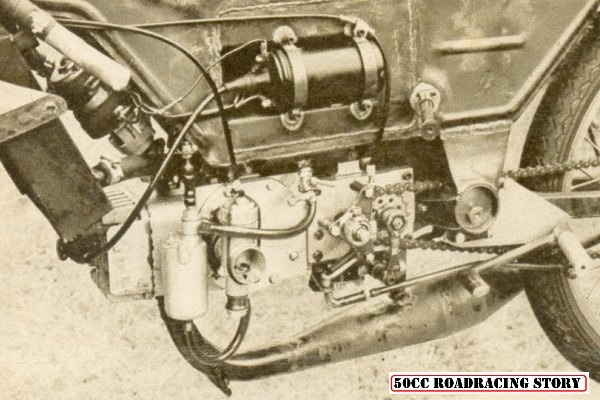
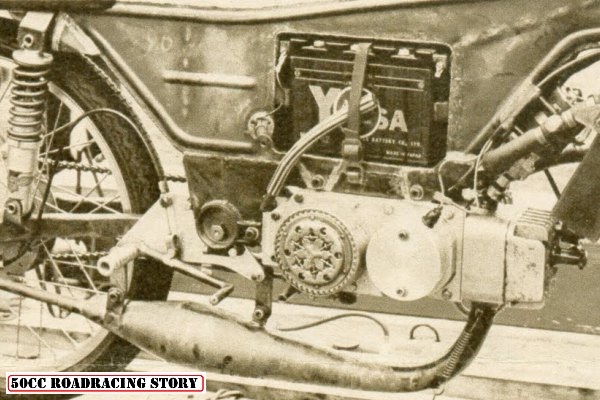
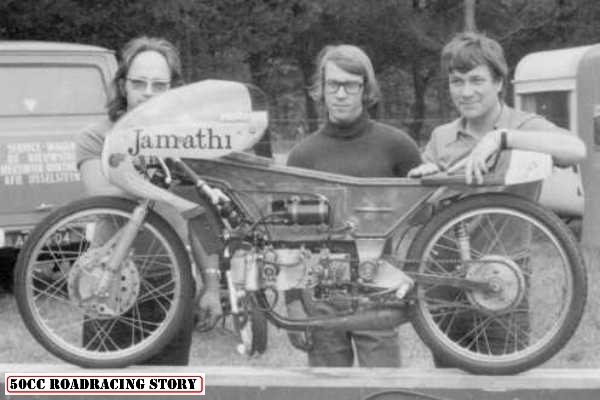
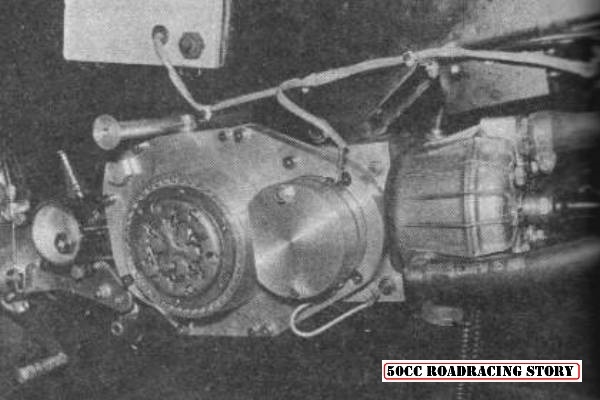
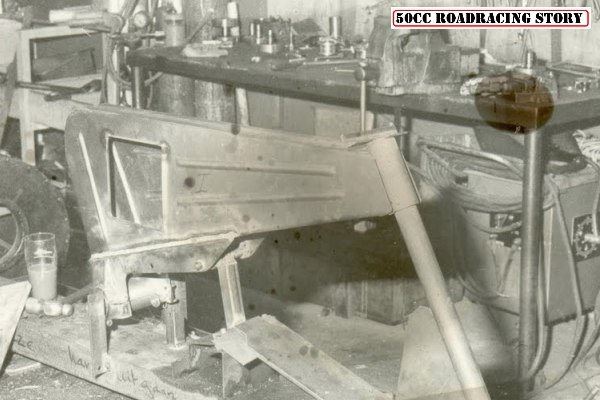
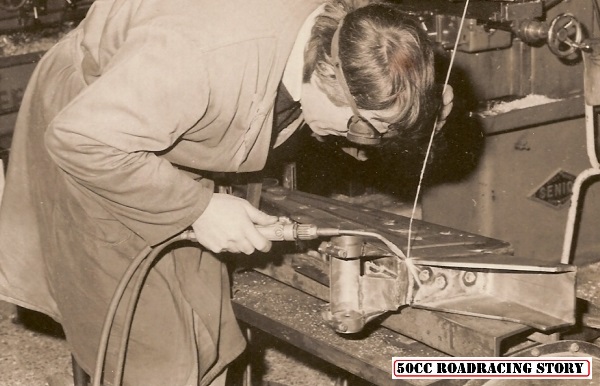
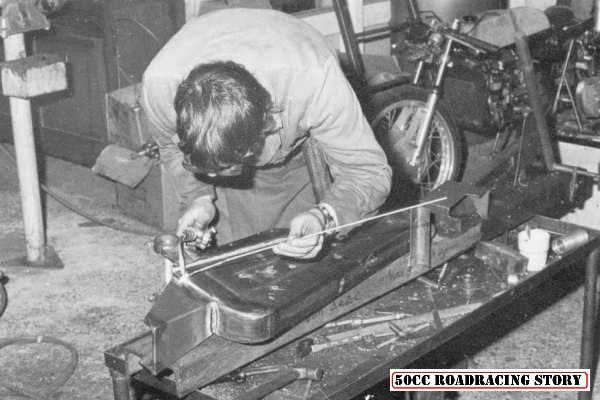
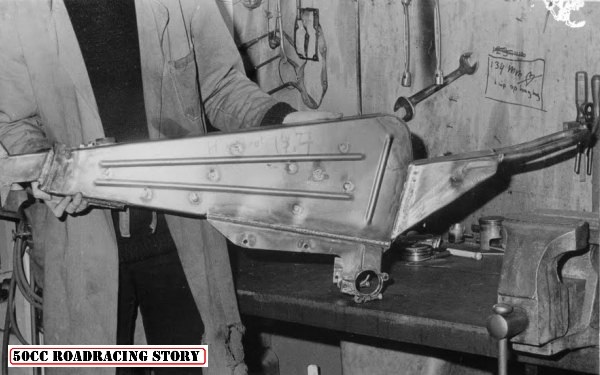
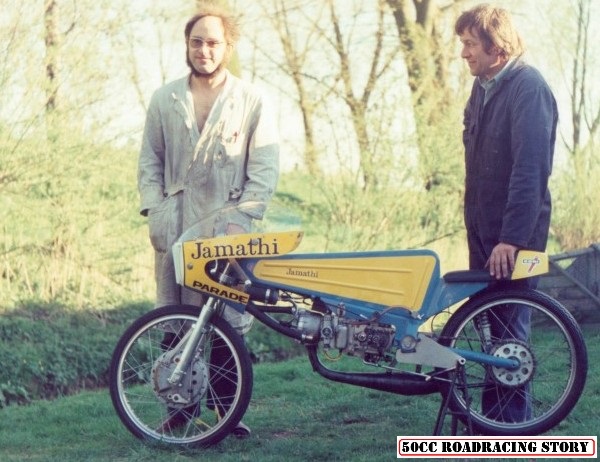
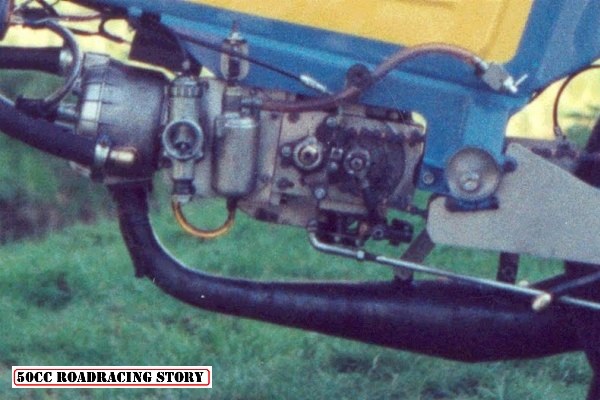
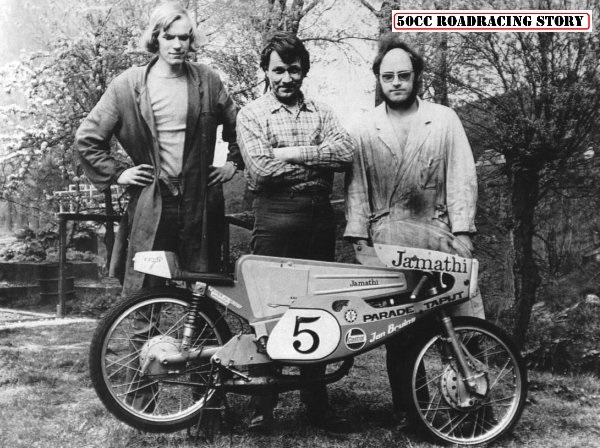
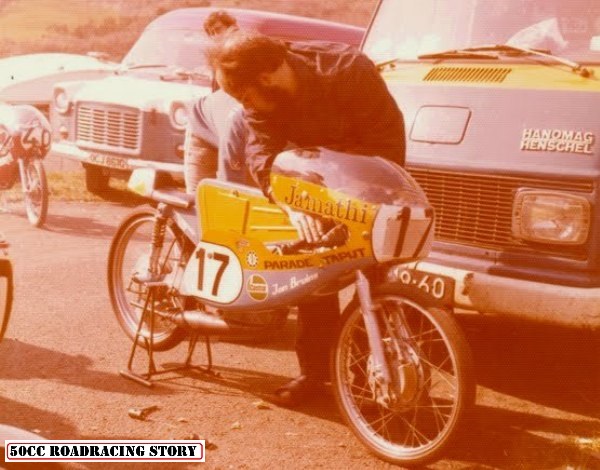
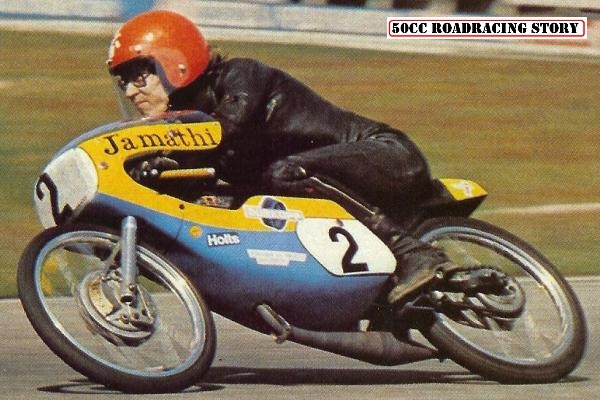
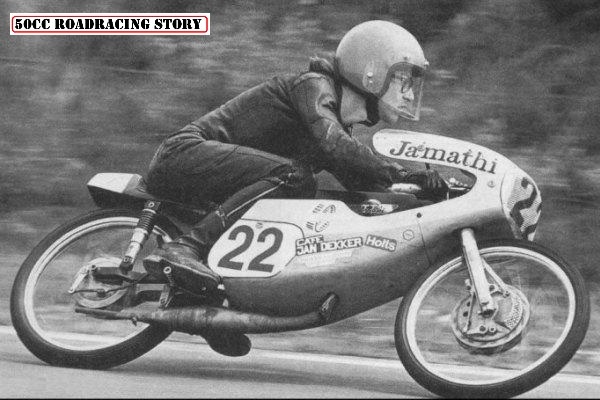
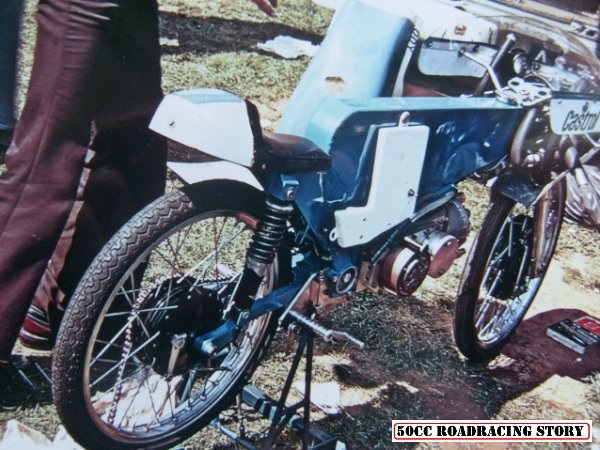
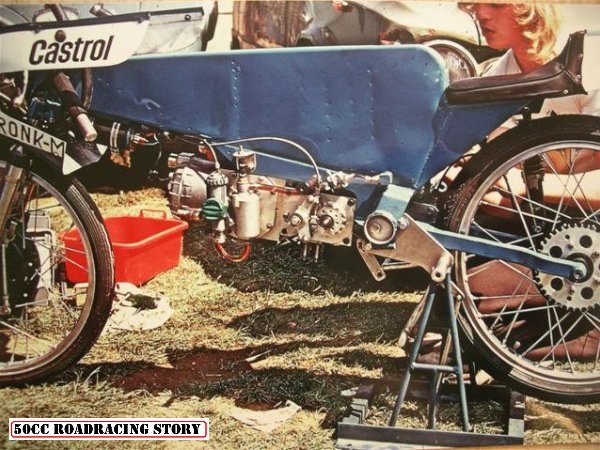
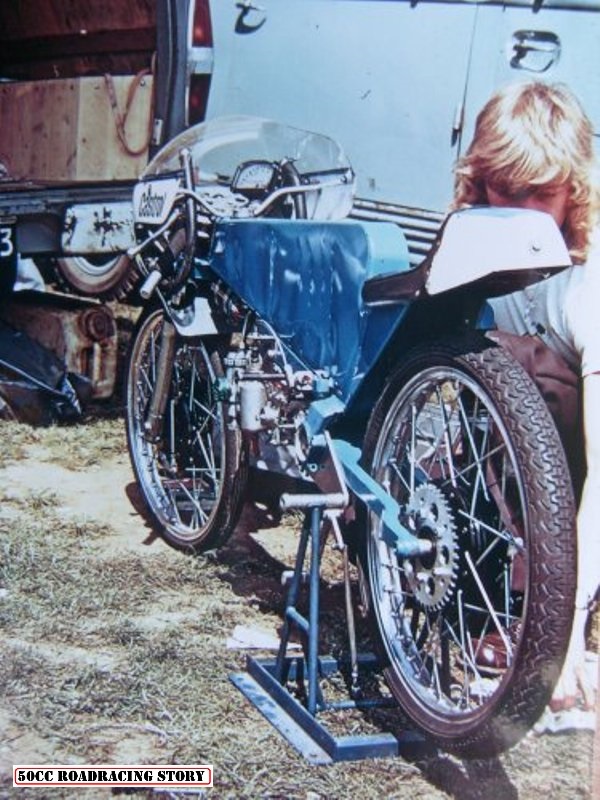
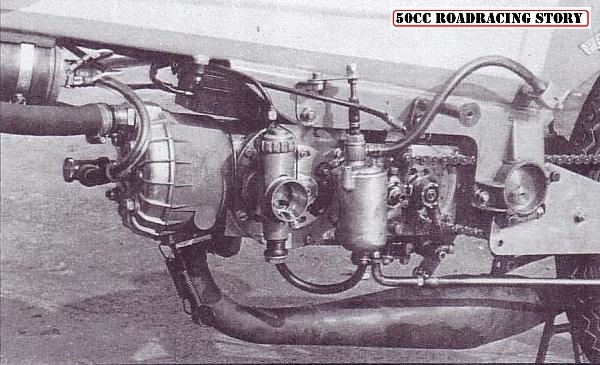
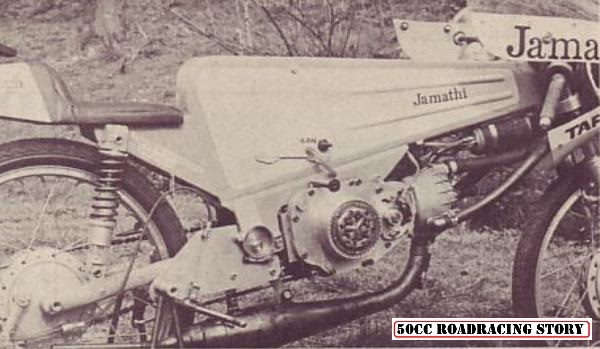
| Jan Thiel about monocoque framework: "The main reason for making them was that they were very narrow, giving an aerodynamic advantage, they were very stiff and handled very well but they were very difficult to make. The frames were identified by year, usually we made one new frame each year using last year's experience. The first monocoque was made in 1972, it handled very well but there was a problem with the engine. For 1973 there was a new frame and engine, and this engine, with a second one made in 1974 later became Piovaticci and Bultaco. In 1974 two frames were made and at the end of the season one complete bike and the engine of the other bike were sold to Piovaticci. The second frame was sold to our friend Juup Bosman and fitted with a Kreidler engine. Our colours in 1974 were blue and yellow. I do'nt remember why! Nigel Stone bought 3 bikes from us, first a 1965 type, later a 1970 bike which was Martin's bike (now owned by Dik Toersen), and later still he bought the 1971 bike now owned by the 50cc museum. He won a lot of races in England and was probably the most succesful Jamathi rider. When Piovaticci could not go on racing at the end of 1975 we had to wait some time before starting work for Bultaco. In this time Martin made a new frame for Juup Bosman in stainlees steel with a Kreidler engine fitted. Juup won the 1974 national Dutch championship with the 1968 bike he had bought from us. Theo Timmer made some monocoques of his own and Cees van Dongen also made one, with Bultaco production racer engines. Many people in different country's made 50cc racers with monocoque frames, it became a fashion for some time." Jan Thiel 2009. |
|
 |
 |
 |
|
 |
 |
 |
 |
 |
|
 |
 |
 |
 |
 |
 |
 |
|
 |
 |
 |
 |
 |
 |
 |
 |
 |
 |
 |
 |
 |
 |
 |
To get the full story visit :WWW.JAMATHI.NL |
 |
|
 |
|