
Derbi
Derbi works |
Derbi specials |
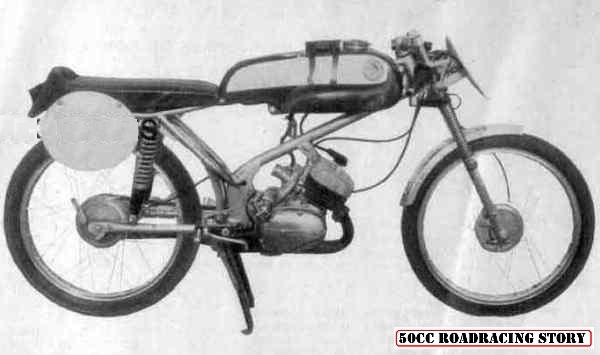
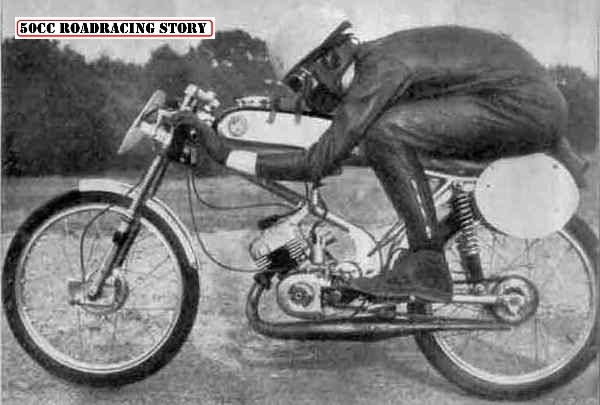
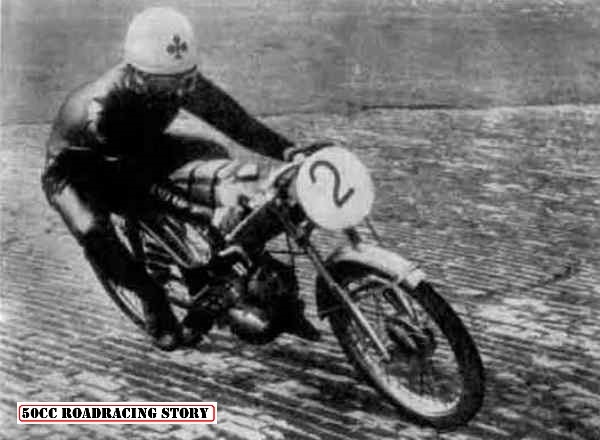
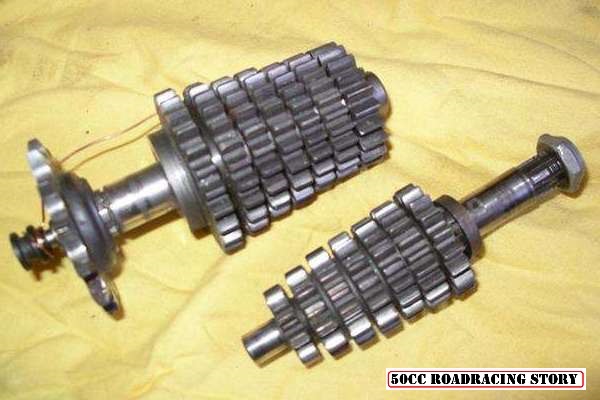
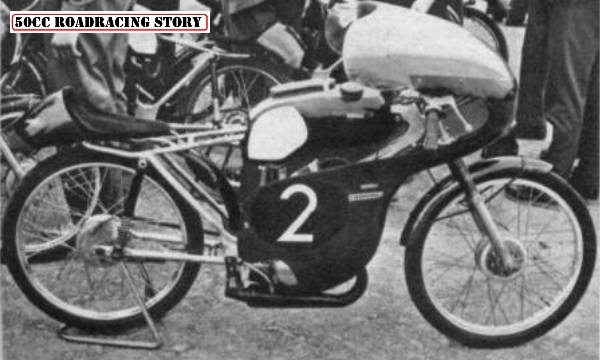
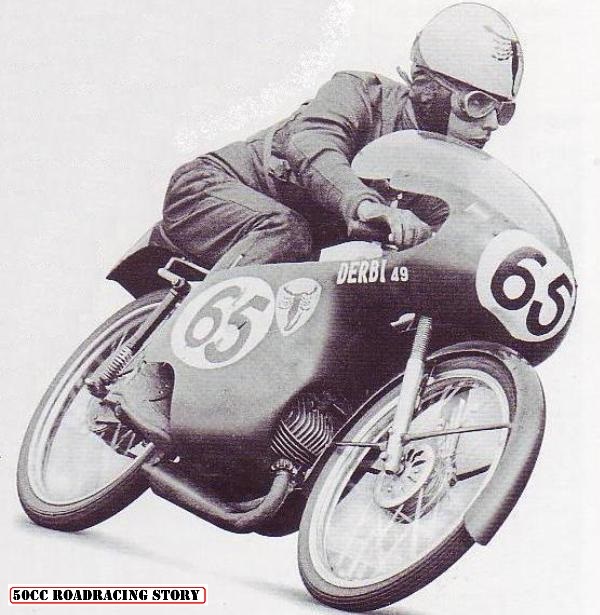
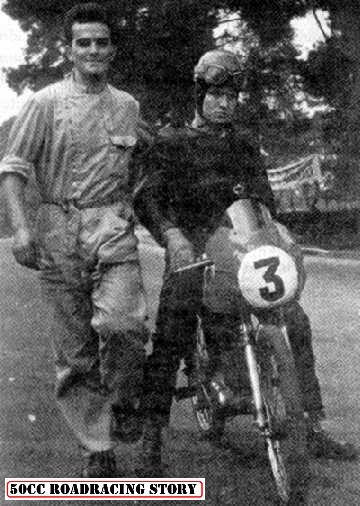
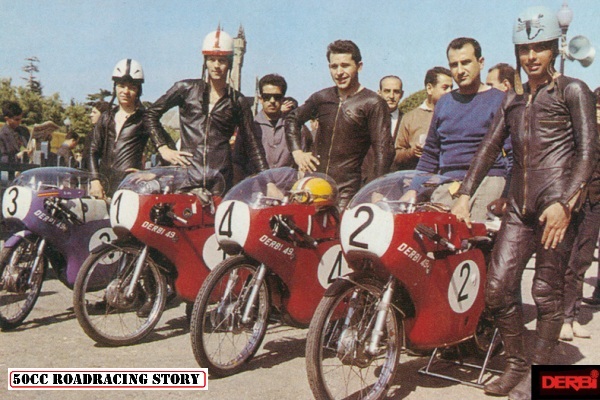
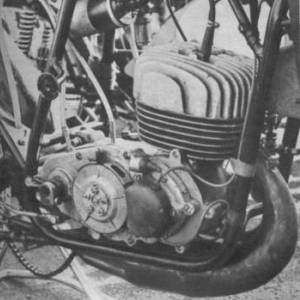
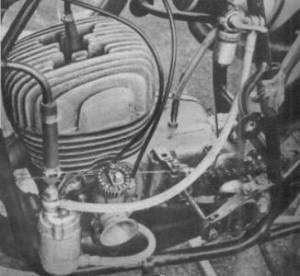
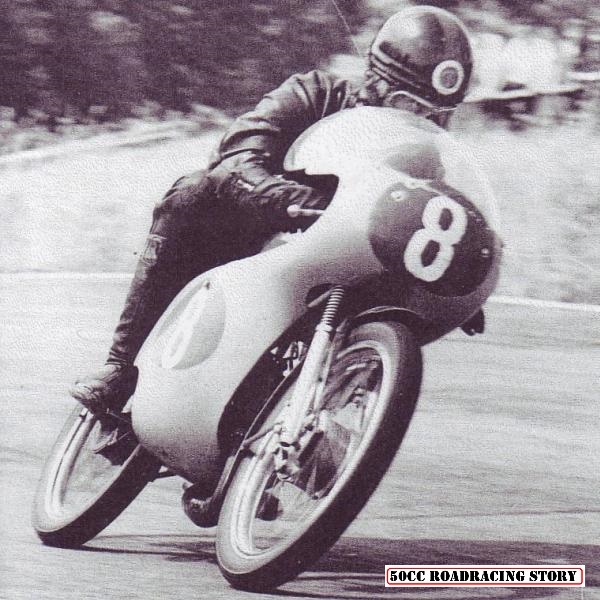
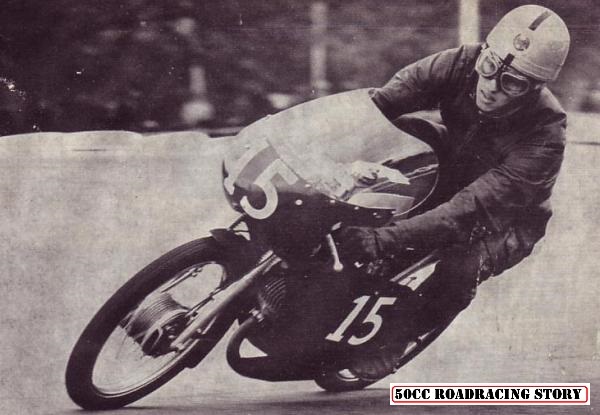
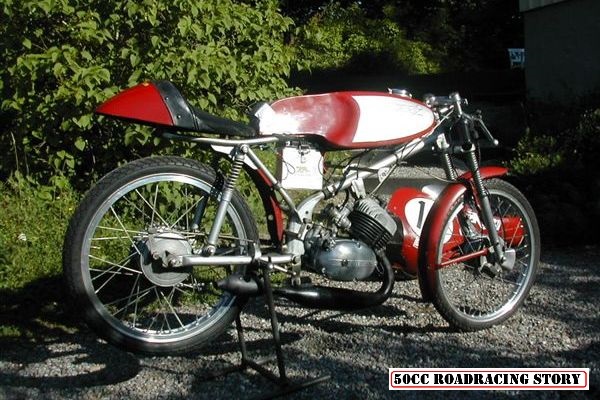
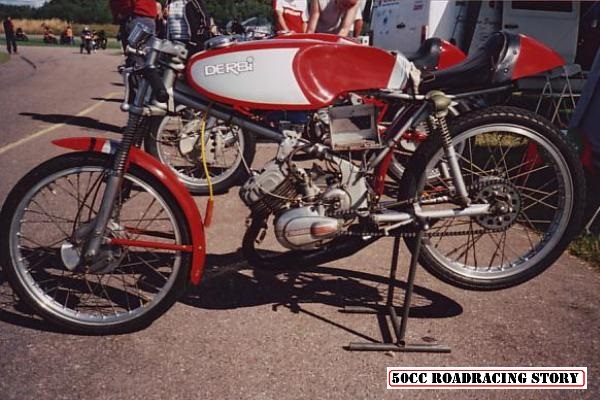
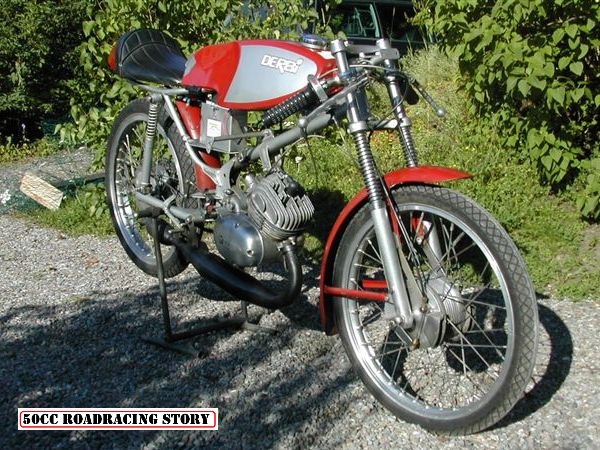
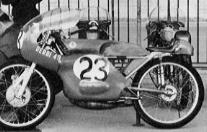
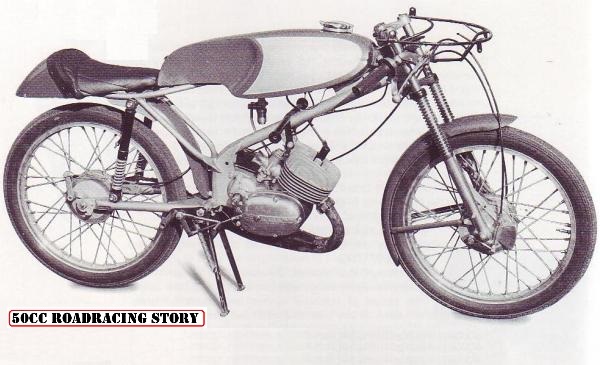
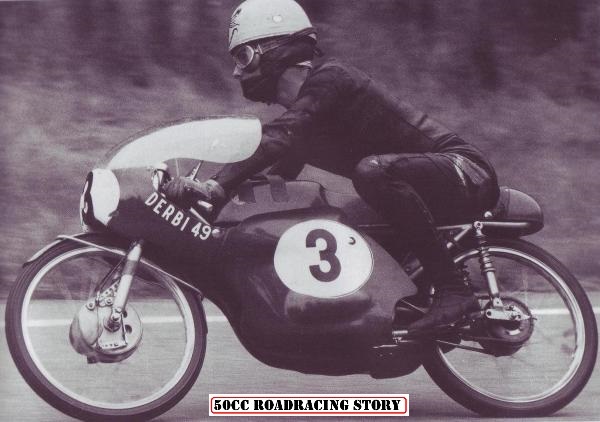
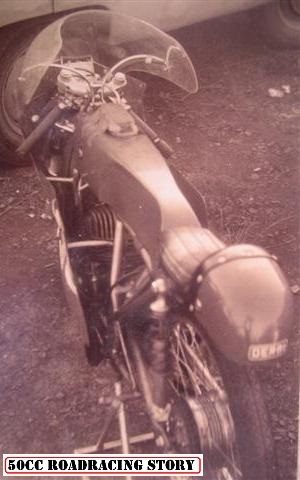
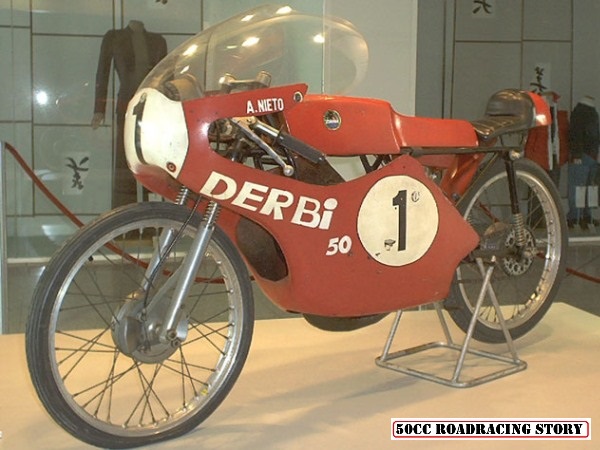
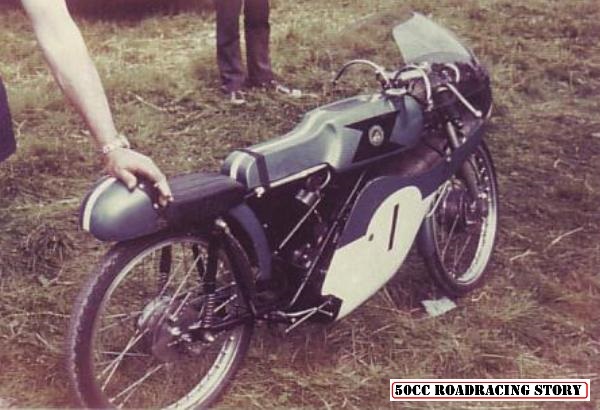
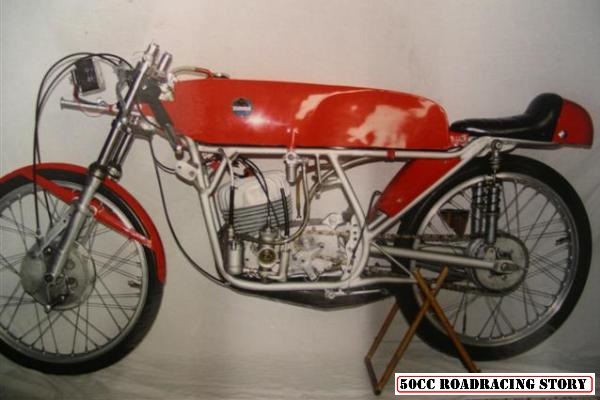
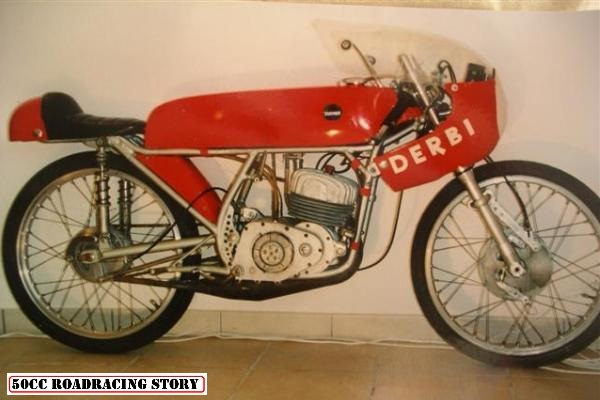
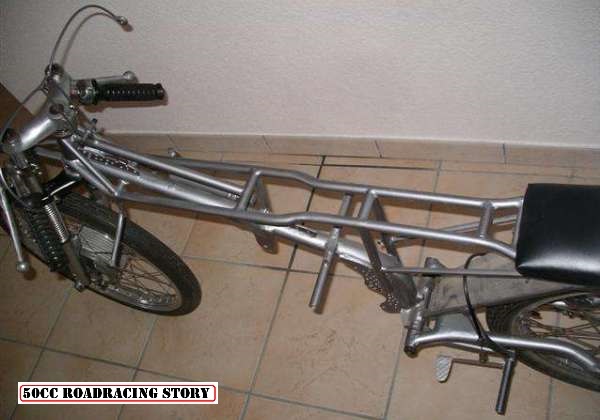
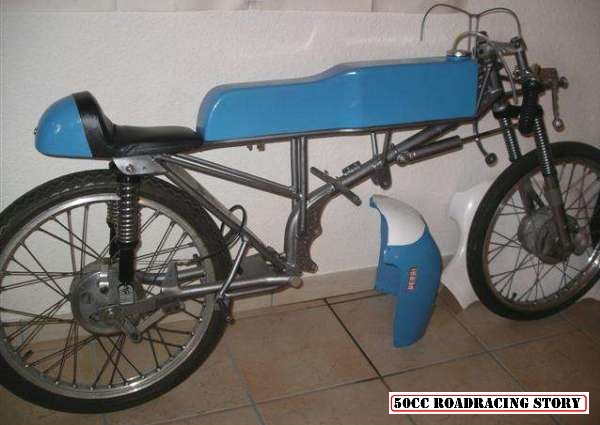
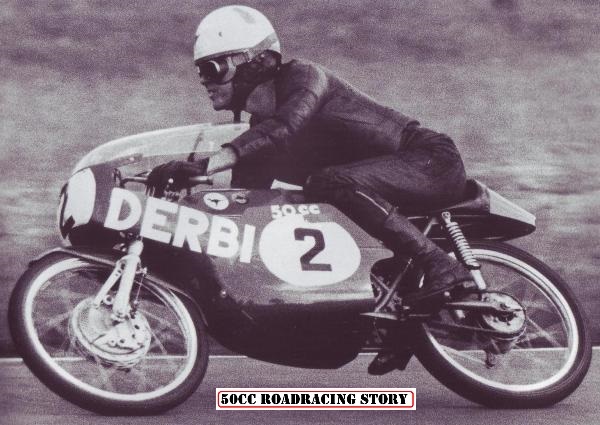
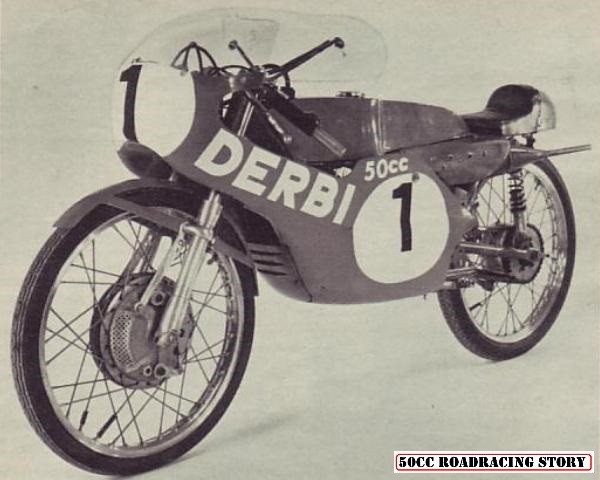
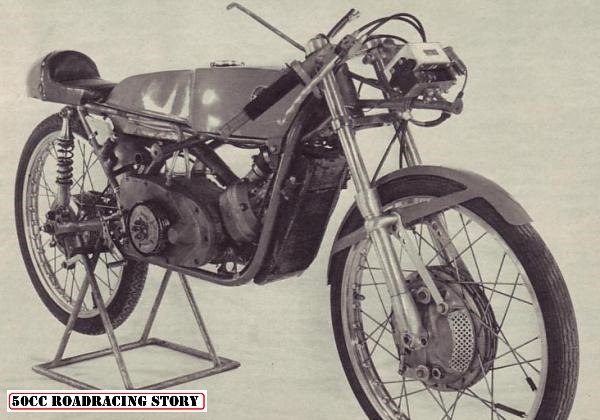
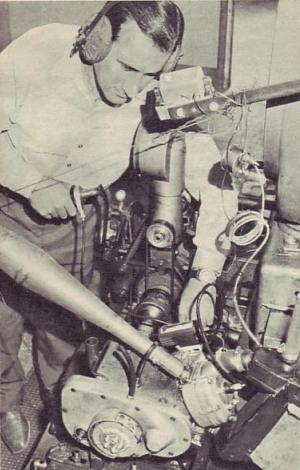
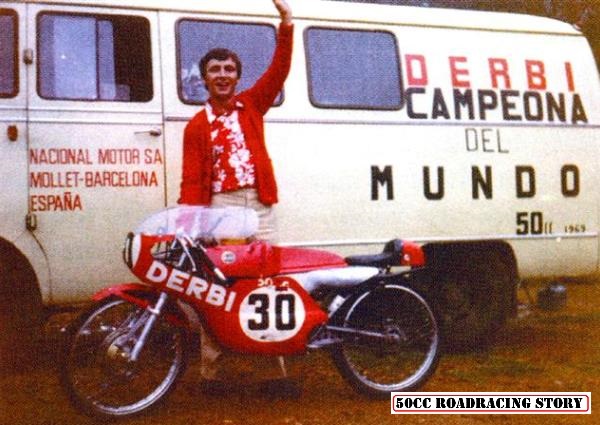
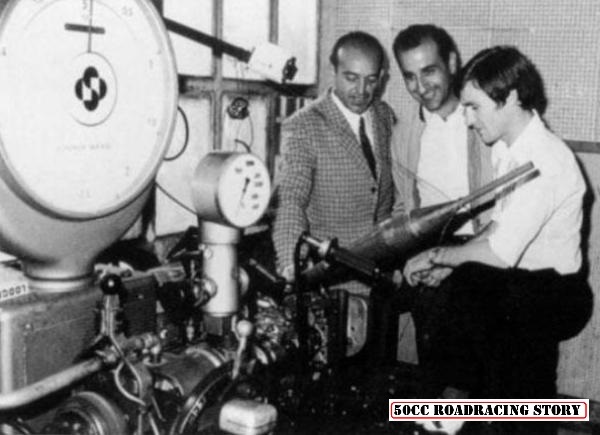
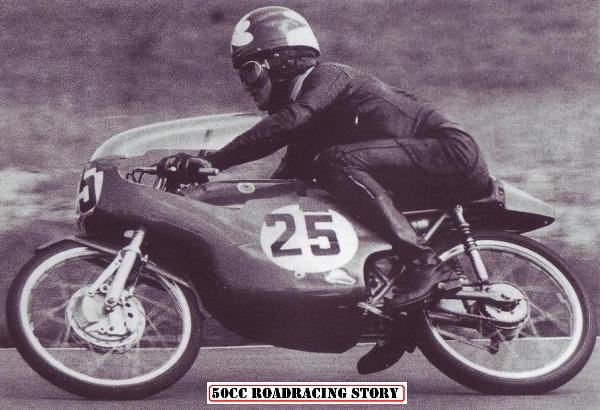
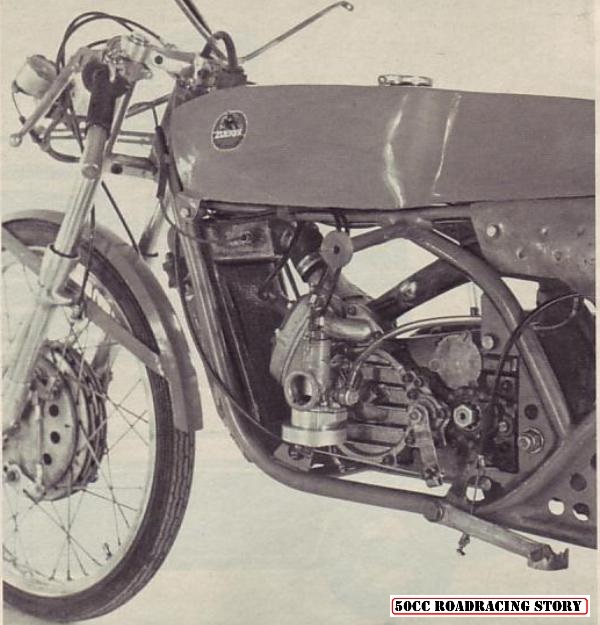
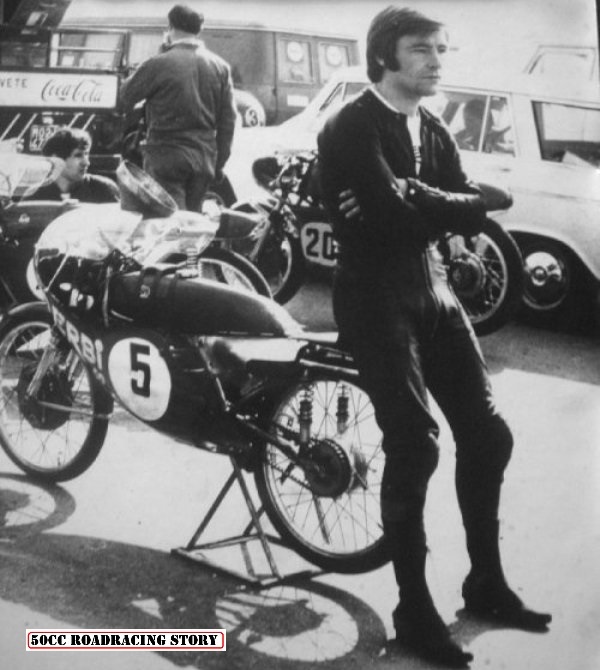
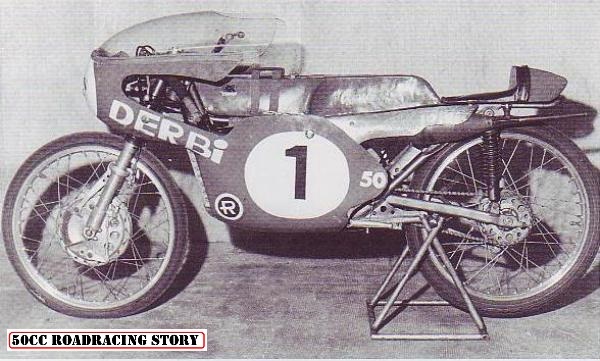
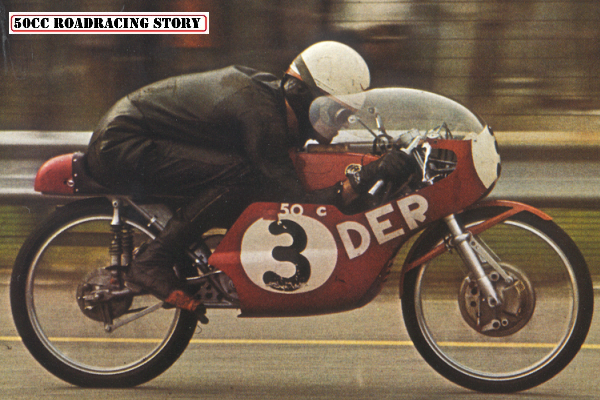
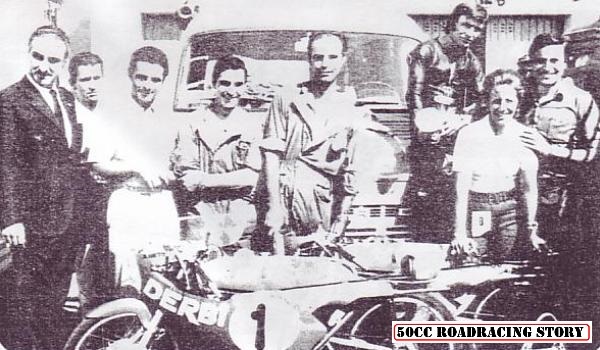
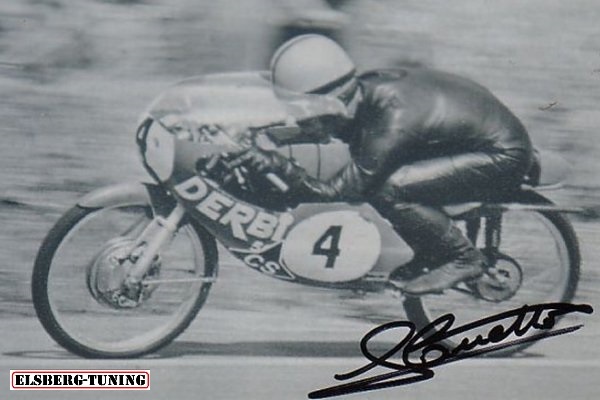
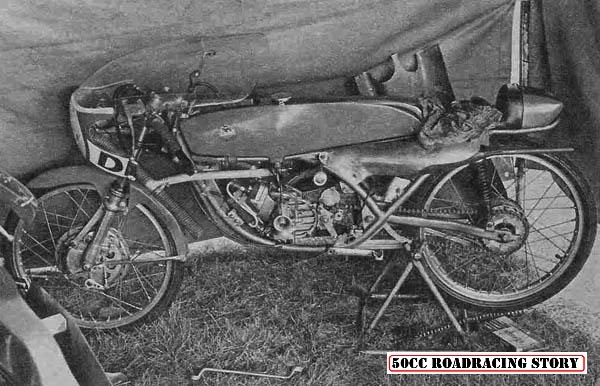
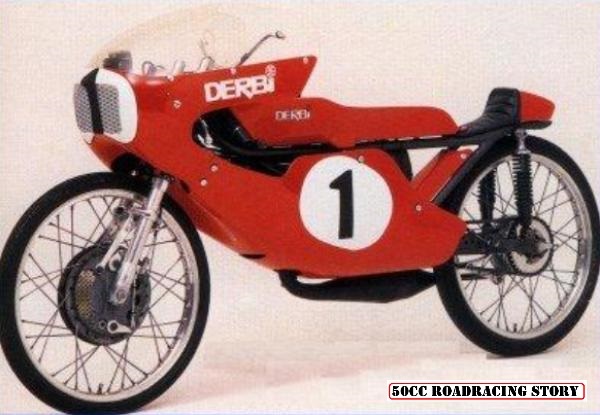
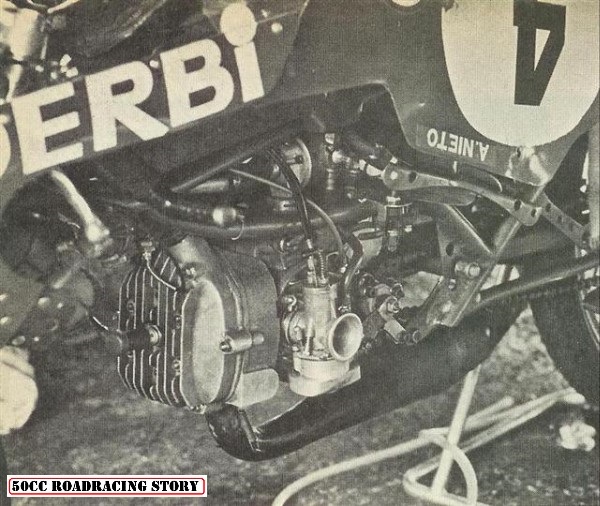
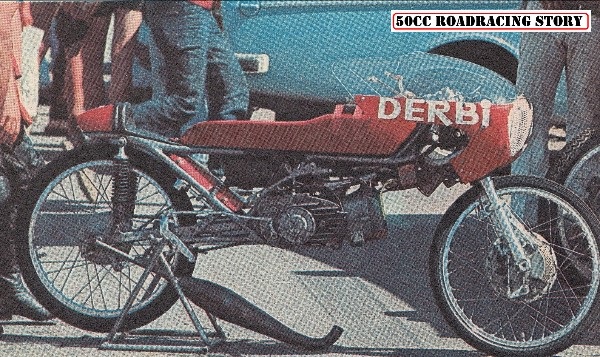
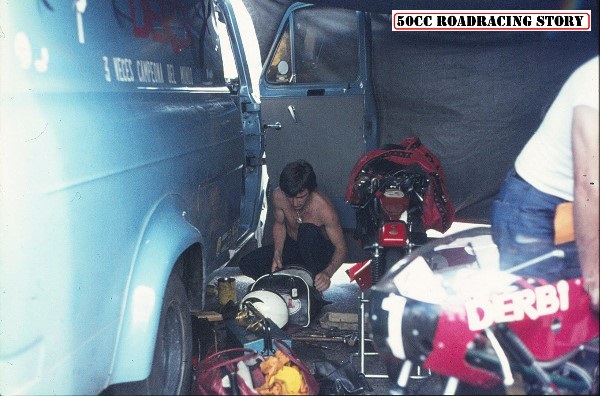
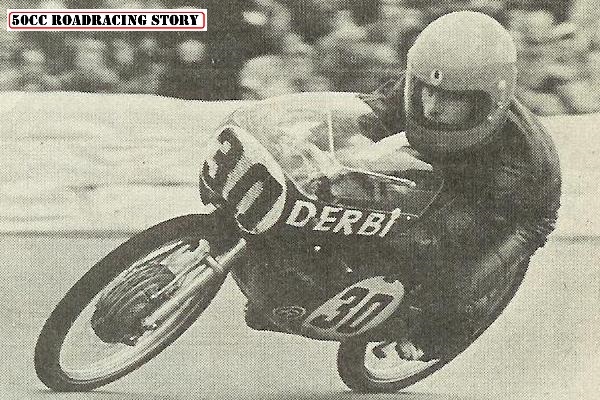
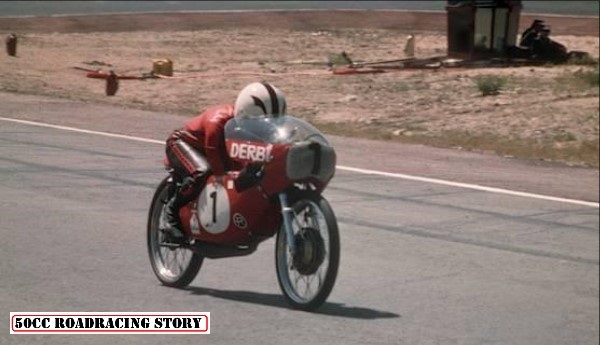
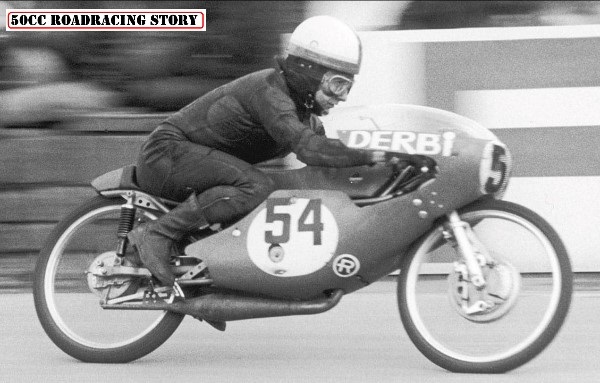
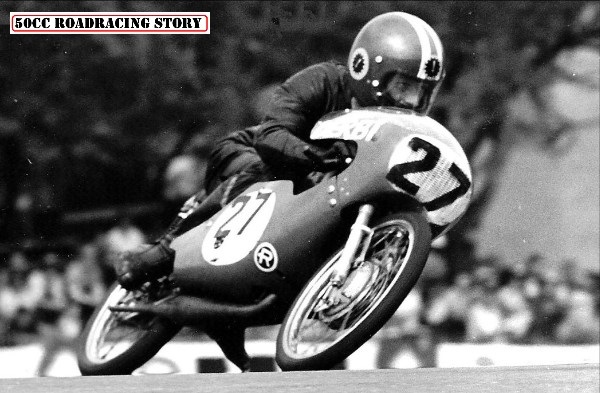
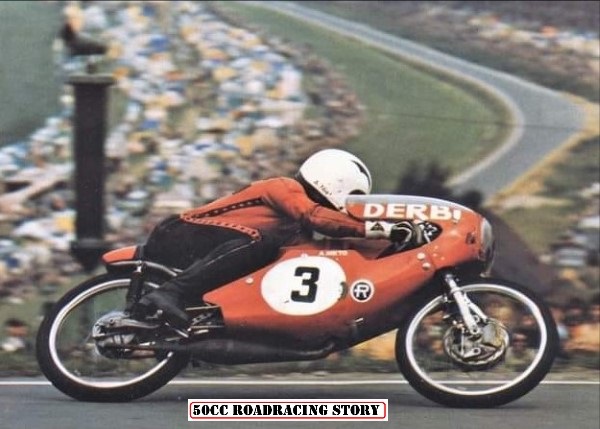
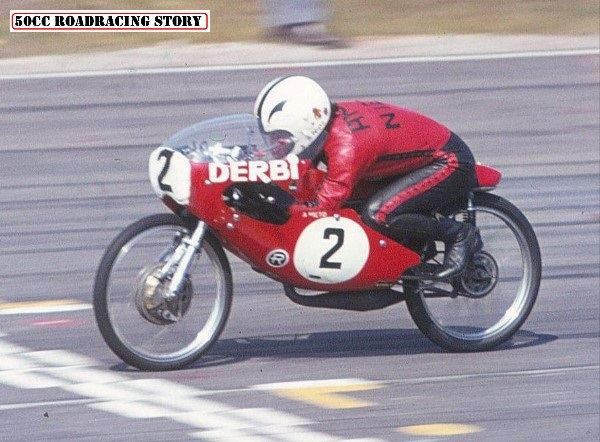
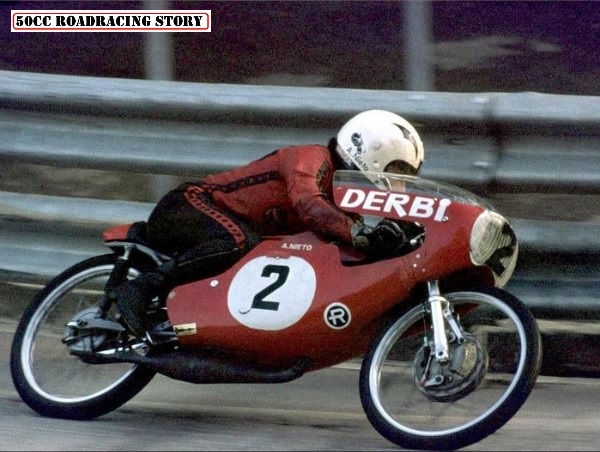
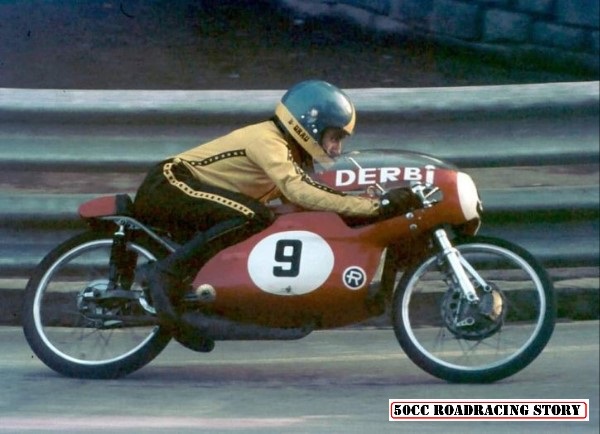
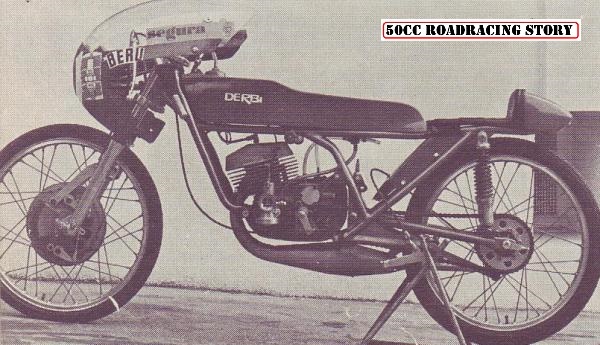
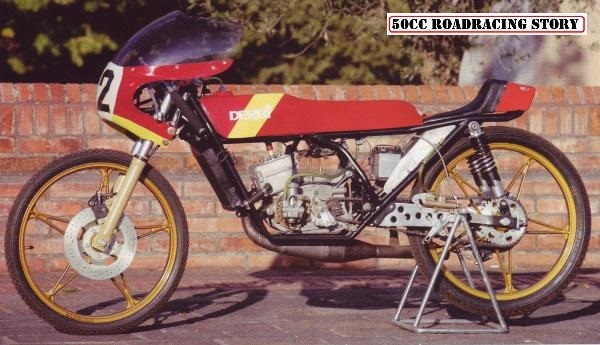
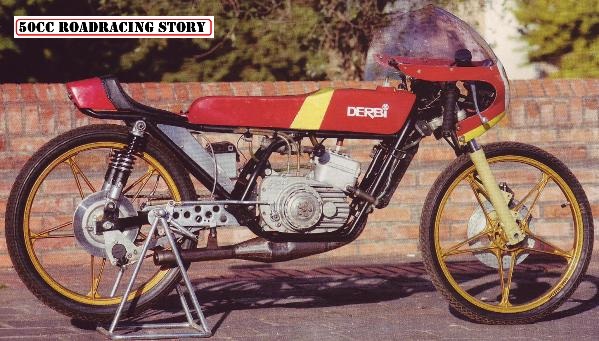
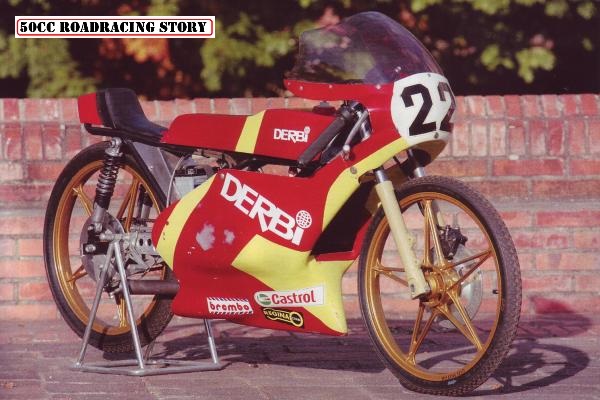
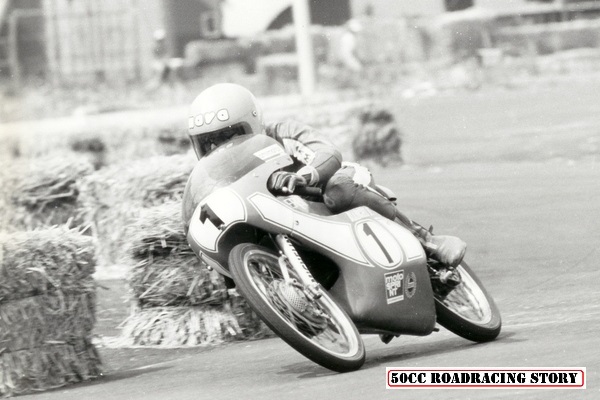
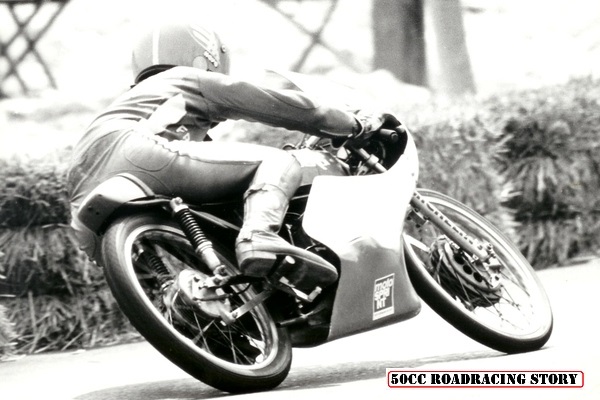
Derbi worksWhen Derbi gave the nod for participating in 50cc racing, the factory turned up with tiny,super- lightweight bikes.Very suitable for a company which name means : DERivado des BIcicleta ! "In 1963, the Derbi Sport fitted with a proper expansion chamber was cleaning house in the sport class as well as the specially prepared Kreidler Florett of the French distributor Leconte, driven by the late Claude Vigreux. In the Course ("GP") class, the Derbis were untouchable." Philippe deLespinay 2007. |
 |
 |
 |
 |
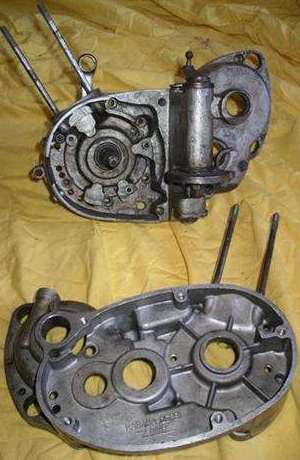 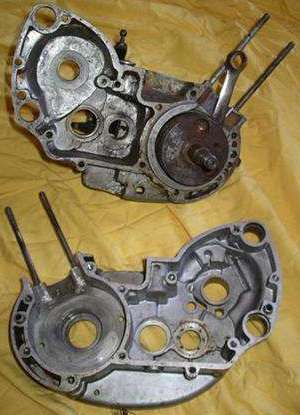 |
 |
 |
 |
 |
 |
 |
  |
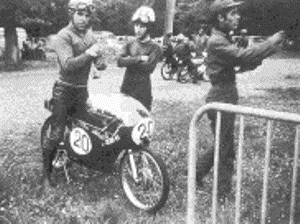
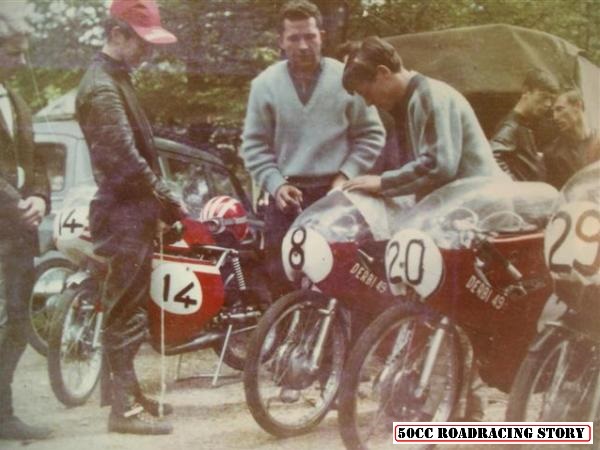
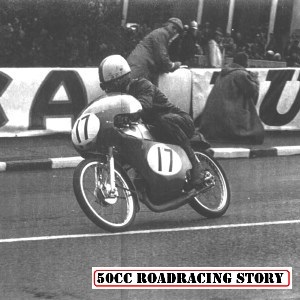
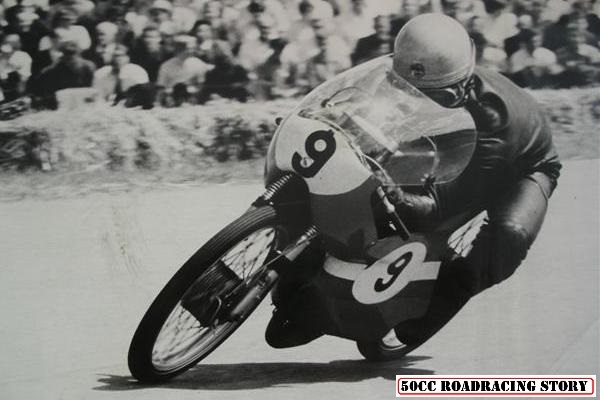
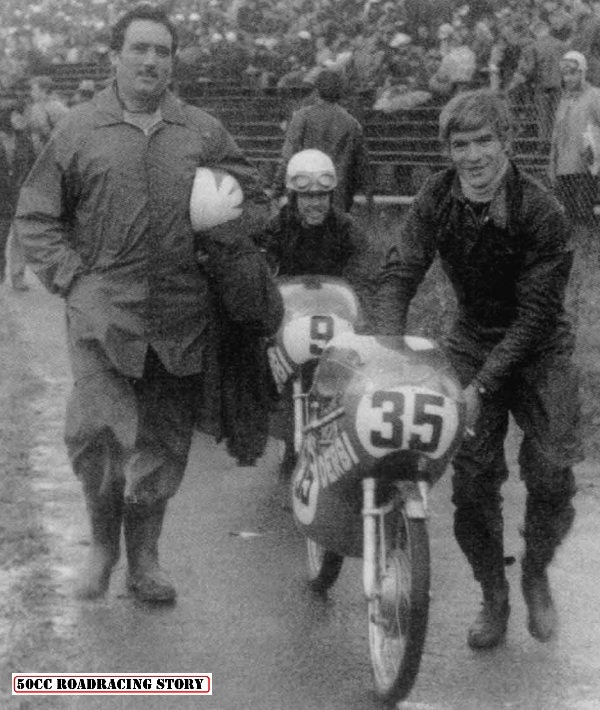
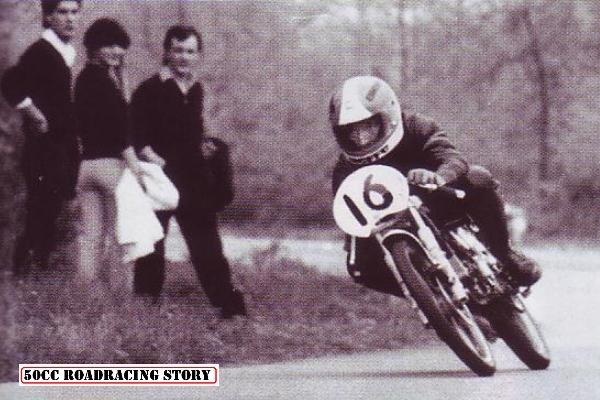
"Jose Busquets, who surprised everyone (well, almost everyone...) by leading the Spanish GP in front of all the works Suzuki, Honda and Kreidler by nearly a minute when one lap from winning it, one of the two rear shock absorbers broke and that was it for the day. That day at Montjuich, the air-cooled 8-speed Derbi was the world's fastest moped! Busquets later won against Anscheidt on the works Kreidler at Malaga, also beating his team mate Salvador Canellas. There is little doubt in my mind that during 1962 through 1965, Derbi had the fastest 50cc racers, but reliability was marginal due to the use of Spanish-only materials such as Borgo pistons that constantly seized or collapsed. If they had more freedom to import decent alloys (forbidden under Franco's regime), the story of Suzuki and Honda winning the 50cc class could have been very different. I met Francisco Tombas, the man behind Derbi´s success, in 1964 When I purchased a whole slew of parts for my own Derbi GP bike, only to be caught at the border and fined heavily by the French customs and spending the night in jail with a guy caught carrying a gun. Morality: always hide the invoices where they can't find them, mail them to yourself! Happy days then..." Philippe deLespinay 2007 |
 |
 |
 |
|
 |
 |
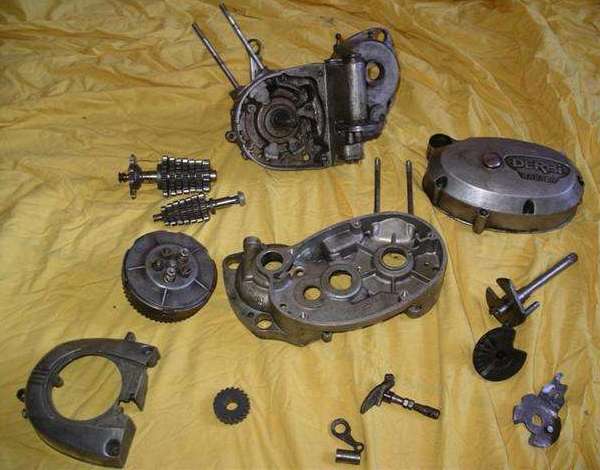
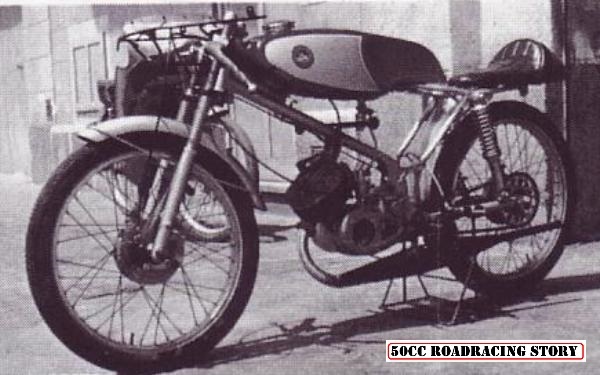
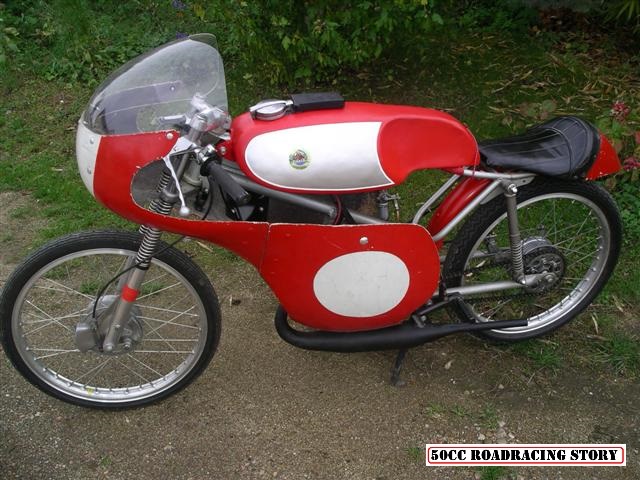
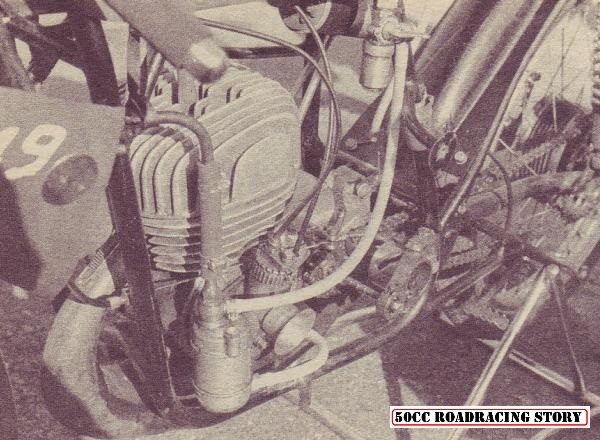
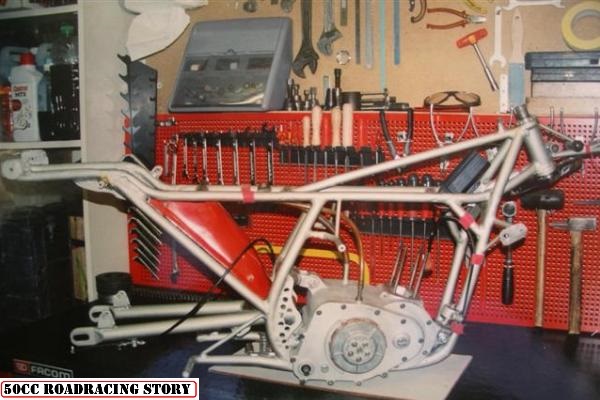
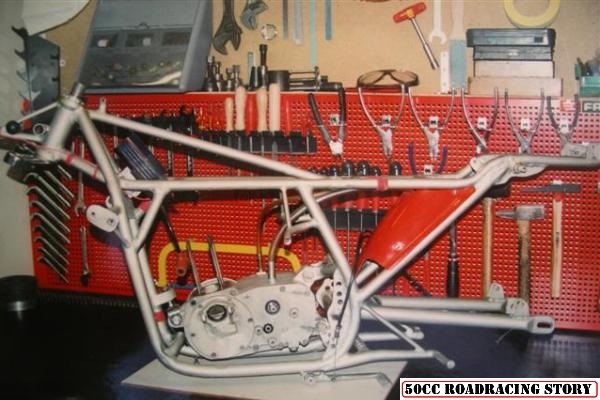
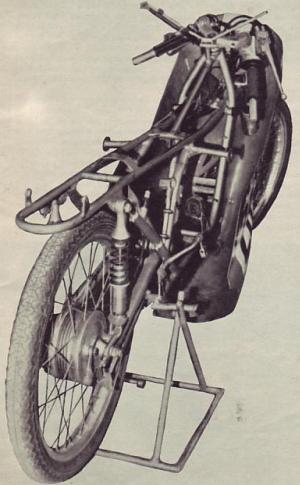
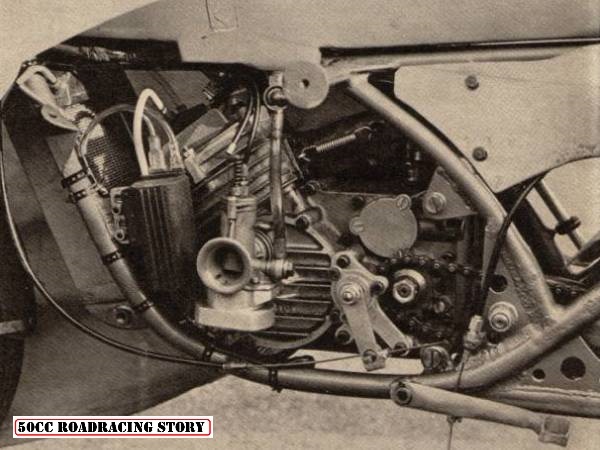
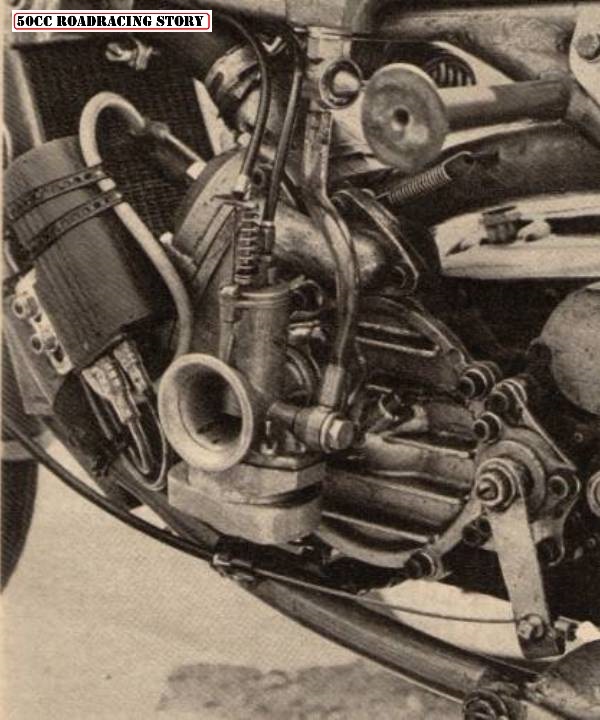
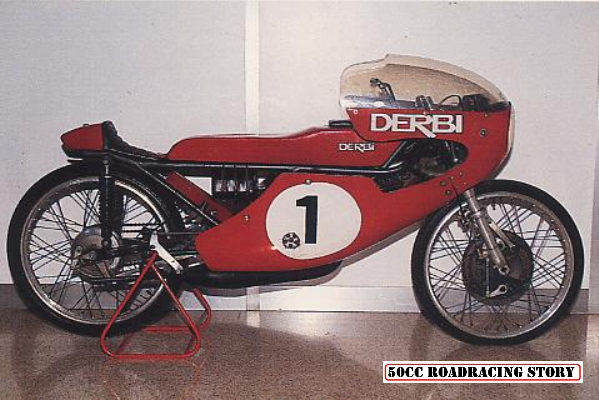
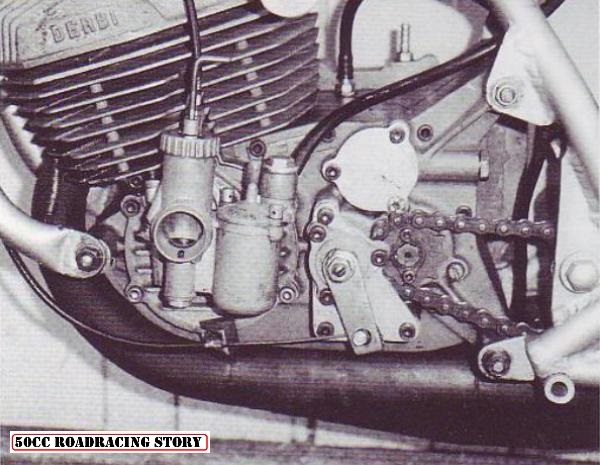
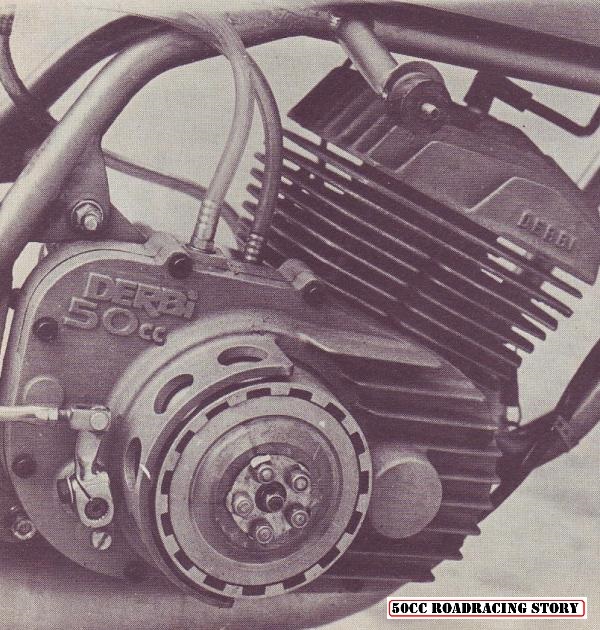
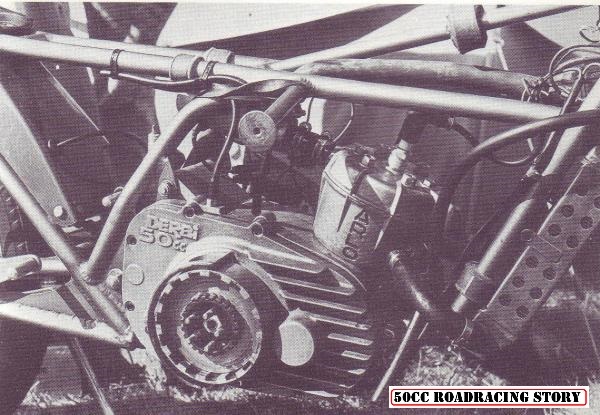
| Philippe deLespinay on comparing Derbi to Kreidler: "The Derbi was not that cheap then, but the Kreidler did not offer any "kit" parts until 1968 in the form of the RS engine kit. Derbi offered two versions of their machines, a "production- racer" for the French "Sport" class, and a "Carrera-Cliente" as a full GP machine patterned after the 1962 model used by Jacques Roca at Clermond-Ferrand to win the first international race for Derbi. The "Sport" version had a cast-iron cylinder, an 18mm Del'Lorto carb and expansion chamber. It produced 7HP at 12000RPM. The "Carrera-Cliente" had a small triangular seat and a fairing, an alloy-finned cylinder with a cast-iron liner, more radical porting and a very usable 9HP. The "Sport" version could reach 120KM/H while the true racer was good for 150KM/H. Both had the 5-speed box and wet clutch. The price was FF1200.00 for the "Sport" and FF2300.00 for the "Carrera-Cliente". A STOCK, road-going Kreidler was FF1900.00, and the RS kit FF900.00. Then, one had to do all the cycle parts on the Kreidler, including a build of a tubular Earles-type front suspension, while the Derbis came with vented drum brakes, proper telescopic forks and decent shocks. I raced both and no doubt that the Kreidler handled better but the Derbi was simply faster and had better brakes. However, while the Kreidler was a model of utter reliability with its Nikasil cylinder and forged piston (the VERY first EVER in motorcycle racing), the Derbi suffered from continual seizures due to their poor cast pistons. So winning a race with a Derbi also involved keeping it together. Never such a concern with the Kreidlers." |
 |
 |
 |
 |
  |
 |
 |
 |
 |
 |
 |
 |
 |
 |
 |
 |
|
 |
 |
 |
|
 |
 |
  |
 |
 |
 |
 |
|
 |
 |
 |
 |
 |
 |
 |
 |
 |
 |
 |
 |
 |
|
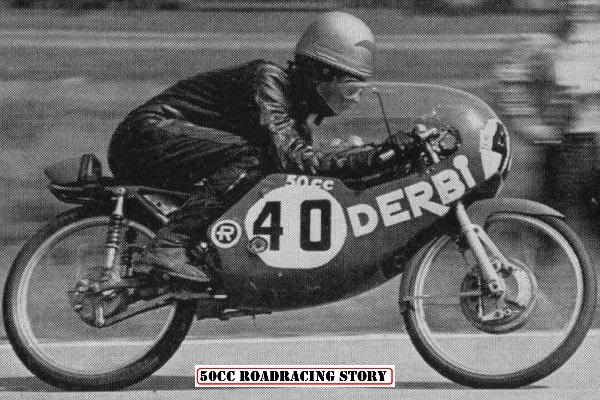
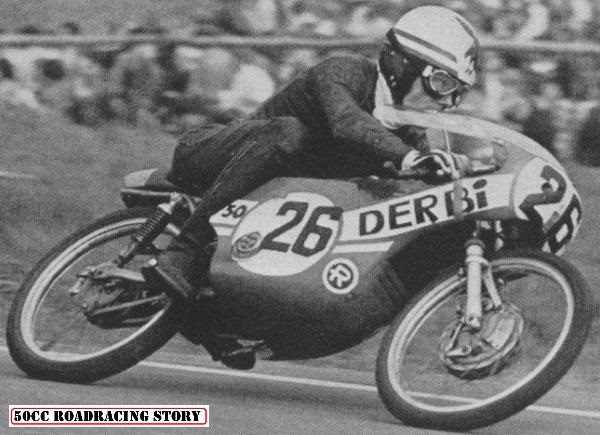
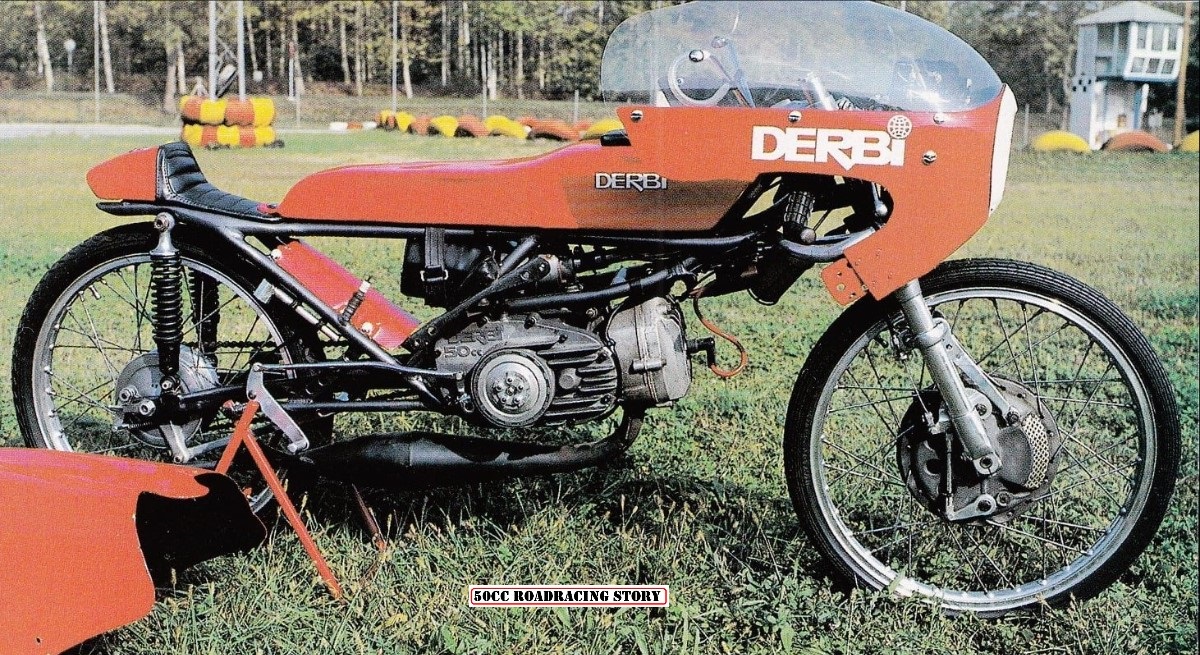
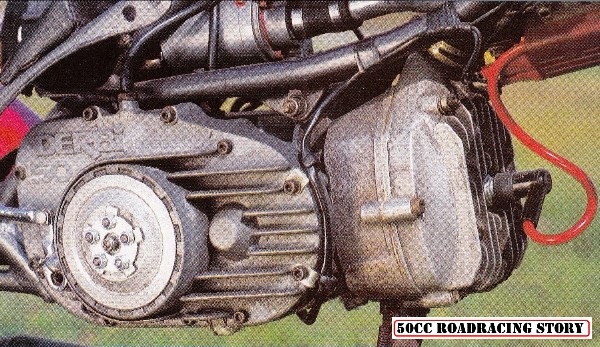
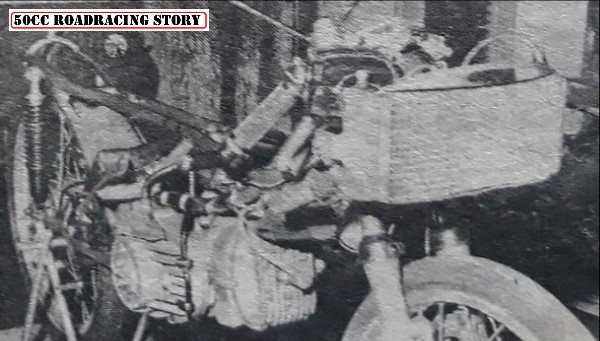
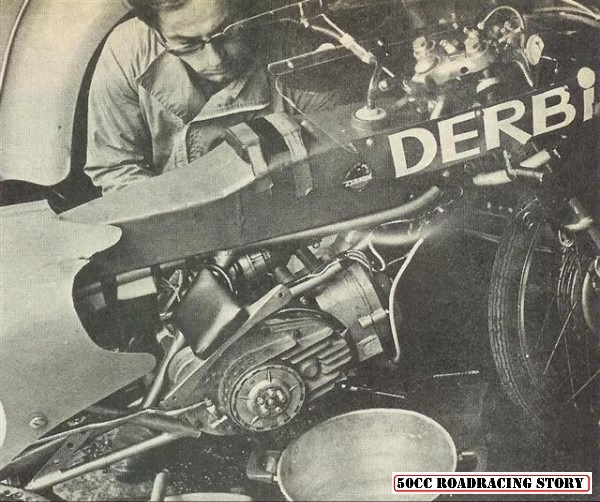
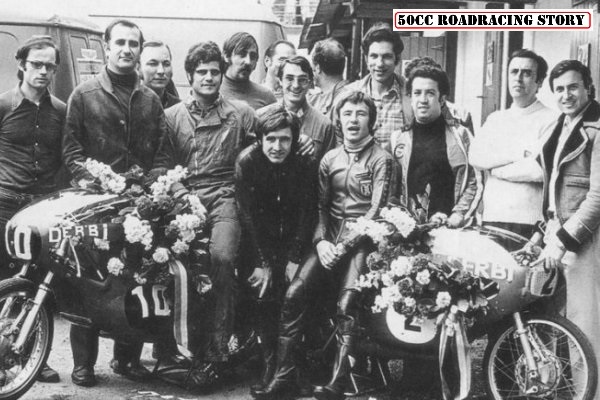
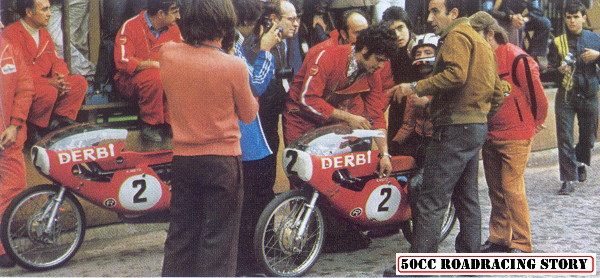
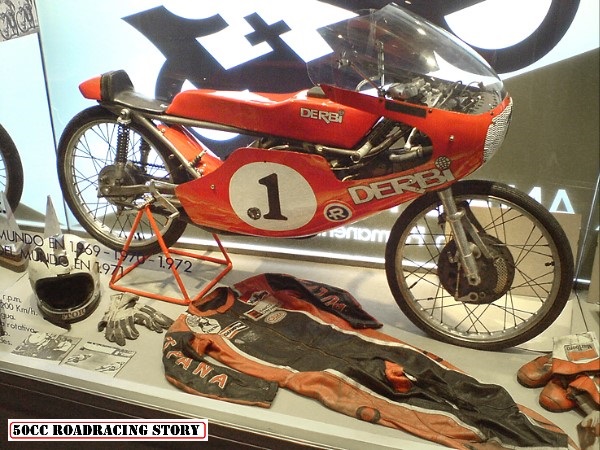
1972 - last season for the Derbi factory.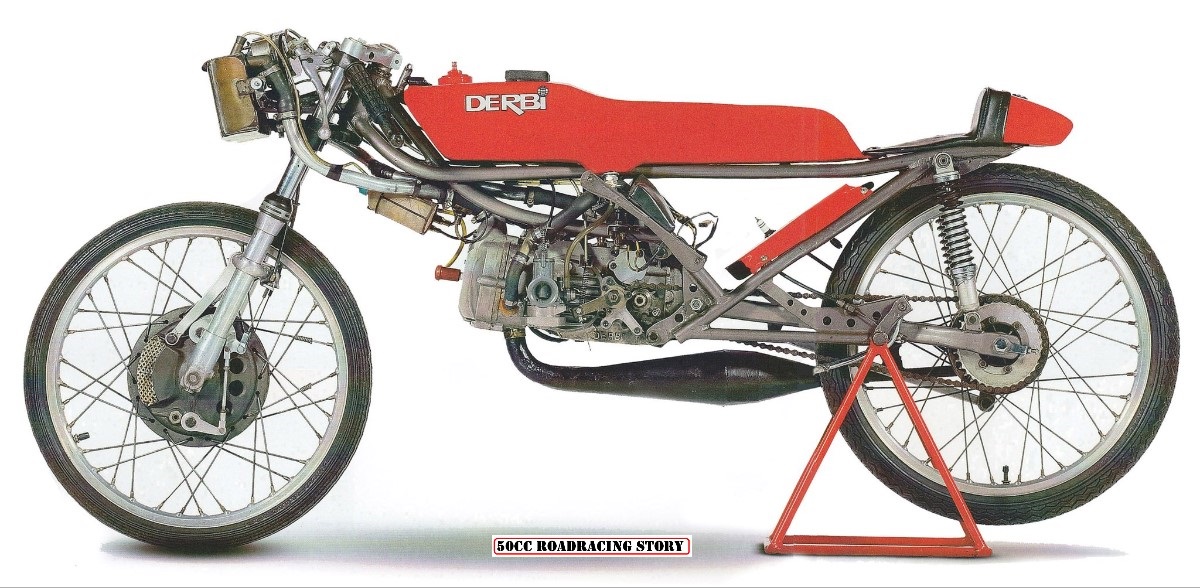 |
 |
 |
 |
 |
 |
 |
 |
 |
 |
 |
 |
 |
 |
 |
 |
 |
 |
 |
 |
 |
 |
 |
 |
 |
 |
 |
 |
Derbi specials |
 |
 |
 |
 |
 |
 |
 |
 |